

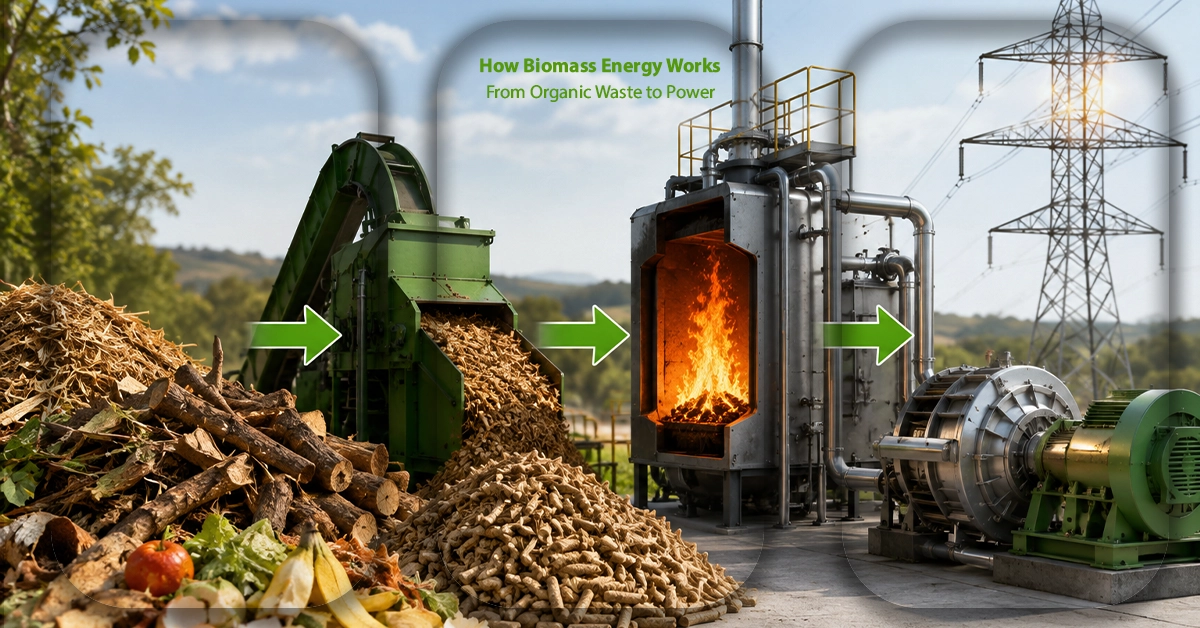
Biomass energy is humanity’s oldest energy source, dating back hundreds of thousands of years. It is produced by using organic waste, whether it comes from plants or animals. With its many uses, it has become a dependable source to generate electricity and heat.
This guide tells you how biomass energy works. It covers step-by-step production, such as collection, preparation, and conversion into energy and biofuels. It also gives a real-world example and challenges of the production process.
30-Second Summary
- Biomass energy converts organic materials, like wood waste, food waste, and manure, into electricity, heat, and fuel.
- The process includes five main stages: collection, preparation, conversion, energy production, and distribution.
- Methods like gasification, combustion, pyrolysis, and anaerobic digestion are used to transform biomass into valuable energy.
- Biomass by-products, like digestate, ash, and biochar, can be recycled to be used in construction, agriculture, and environmental applications.
The Biomass Energy Process at a Glance
Here is a snapshot of the entire process.
| Stage | What Happens |
| Collection | Organic waste is gathered from farms, forests, industries, and municipalities. |
| Preparation | Biomass is cleaned, dried, and processed for efficient conversion. |
| Conversion | Technologies such as combustion, gasification, or anaerobic digestion convert biomass into energy. |
| Generation | Electricity, heat, or biofuels are produced. |
| Distribution | Energy is delivered to homes, businesses, and industrial facilities. |
Step 1: Collecting Biomass Materials
The biomass energy process starts with collecting biomass materials for energy production, biofuels, fertilizers, and biochemicals. The sources include
- Animal and Poultry Waste: Poultry and livestock farms collect animal manure. Then, special vacuum systems and scrapers are used to transfer it into holding tanks or directly to digesters.
- Industrial and Municipal Waste: Local municipalities and private waste management companies collect organic waste through dedicated food waste bins.
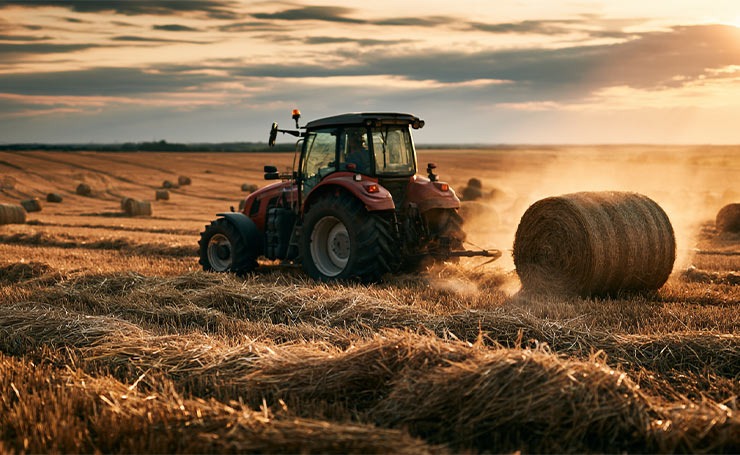
- Agricultural Residues and Energy Crops: After the main harvest, straws, stalks, husks, and cobs are collected from the fields. Farmers use balers or harvesters to collect, chop, and package this plant waste into bales or heaps.
- Forestry and Wood Waste: Forest waste is collected through logging operators. Loggers cut down trees or collect logging “slash” that includes bark, branches, and treetops. These materials are then processed to be chipped and created into logs or pellets for transportation.
Step 2: Preparing Biomass for Conversion
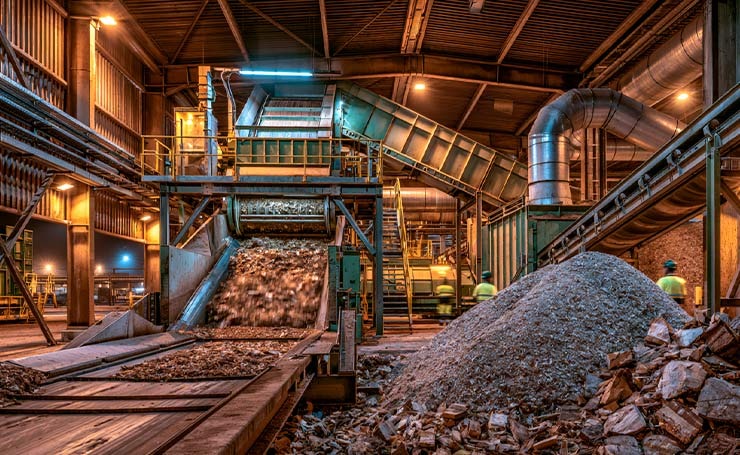
Biomass preparation is a preprocessing phase. It is important to transform raw organic material into energy-dense feedstock. Preparation is necessary to ensure that conversion technologies, like combustion and gasification, work smoothly.
Sorting and Separation
In this step, the combustible biomass is separated from non-combustible materials, such as metals, glass, and rocks.
Cleaning
Here, cleaning of combustible materials takes place. Dirt, sand, and other abrasive materials are removed. This step ensures that downstream milling equipment is protected from damage and also prevents ash-related problems in furnaces.
Size Reduction
After cleaning, the biomass material is reduced in size through grinding, chipping, and shredding. The material is divided into small, uniform particles. This step is important to increase the materials’ surface area and to make them more reactive during conversion.
Drying the Biomass
Raw biomass has approximately 20 to 50 percent moisture. It is dried to reduce moisture content, prevent microbial degradation, and reduce transportation costs. Moreover, drying raw material also reduces the energy that is needed for thermochemical conversion.
Densification (Optional)
This final step is optional but highly suggested. Densification basically compacts loose biomass, like sawdust or straw, and turns it into blocks or pellets. These compact blocks and pellets are easy to handle and have more energy per unit volume.
Step 3: Converting Biomass into Usable Energy
Converting biomass into heat and electricity requires different processes.
Direct Combustion
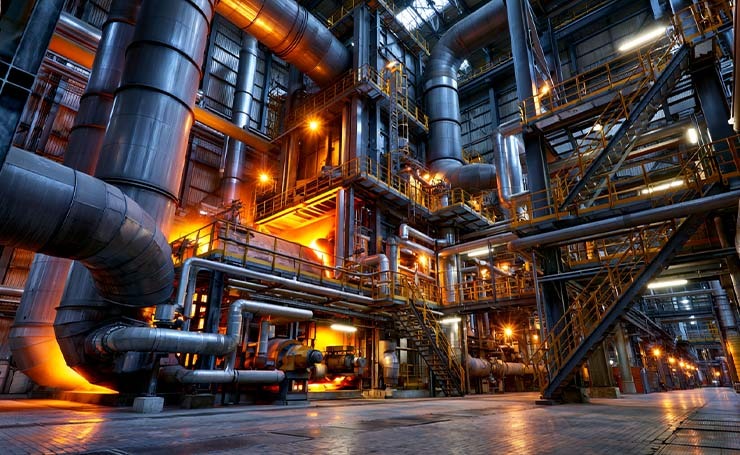
Most electricity from biomass is produced from direct burning or combustion. Biomass materials are burned in a boiler. It produces high-pressure steam that then flows to the turbines, making them rotate. This rotation turns on the generator, consequently producing electricity.
Existing power plant furnaces also generate electricity through a process called co-firing, where two different biomass materials are burned at the same time.
Gasification
Here, the biomass is heated to 800° C to 900° C (1400° F to 1700° F) inside a vessel called a gasifier. The gasifier is injected with oxygen or steam to produce carbon monoxide and hydrogen-rich gas. It is called synthesis gas or syngas. Syngas has multiple uses. It can be used for heating, producing electricity, and as a fuel for diesel engines.
When hydrogen is separated from syngas, they both can be used in fuel cells. The syngas is also processed to produce liquid fuels.
Pyrolysis
This method involves heating organic matter at 400 °C and 500 °C (800°F and 900°F). The heating takes place in almost complete absence of oxygen. This technique is used to create fuels like bio-oil, charcoal, methane, hydrogen, and renewable diesel.
Anaerobic Digestion
Human and animal waste is collected in an oxygen-free tank, called a digester. This waste is decomposed by anaerobic bacteria that produce methane and other by-products. These components create a renewable natural gas that is used to generate electricity.
Step 4: Generating Electricity from Biomass
There are three main technologies through which organic matter is converted into electrical and thermal energy. Let’s understand them in detail.
Steam Turbine Systems
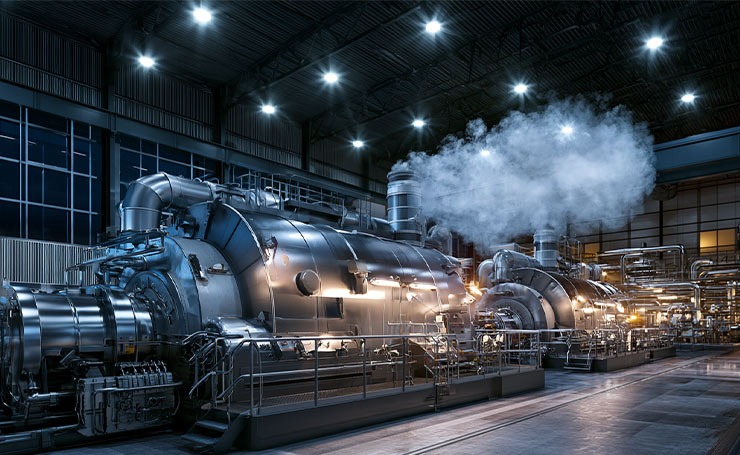
This method is the most common for producing large-scale biomass power. It uses direct combustion, where the biomass undergoes burning in a boiler to generate high-pressure steam. This steam rotates turbines, which then turn on an electrical generator. This generator produces electrical energy.
Gas Engine and Turbine Systems
These systems use syngas or biogas instead of burning solid organic material. An internal combustion engine is supplied with biogas to start the generator. This process is exactly like a car engine, but tailored specifically to produce continuous electricity.
Then, the biogas or syngas is compressed and burned with air. As a result, high-pressure combustion gases form and expand, spinning the turbine. The turbine is attached to the generator that generates electricity.
Combined Heat and Power (CHP) Systems
Traditional power plants create excess heat in the atmosphere. CHP systems capture this “waste” heat through heat exchangers.
Now, the steam turbine, engine, or gas turbine keeps producing electricity, while this recovered heat is converted into low-pressure steam or hot water. The water or steam is distributed to buildings for heating or to industries for manufacturing processes.
Step 5: Producing Biofuels from Biomass
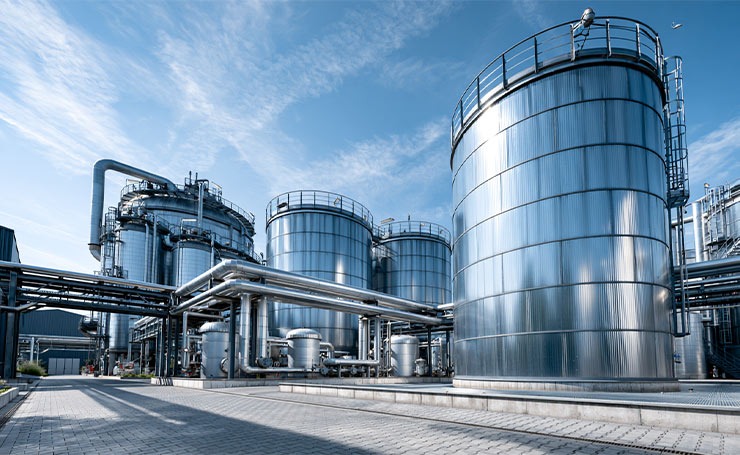
Biofuels are great replacements for petroleum-based diesel, gasoline, and jet fuel. There are three ways to convert biomass into liquid fuels.
Biological Fermentation
Through this method, plant matter is broken down into alcohols. Enzymes are used to break complex carbohydrates into simple sugars. Microorganisms then convert these sugars into liquid alcohols.
Chemical Extraction
Chemical extraction or transesterification uses animal fats, plant oils, or used cooking oils instead of plant matter. These oils and fats are combined with an alcohol, typically methanol, and a catalyst. The result is separated heavy fats that are used to produce a combustible liquid fuel. This fuel is combined with petroleum diesel.
Thermochemical Conversion
For thermochemical conversion, gasification and pyrolysis are used.
- In pyrolysis, the biomass vaporizes and is condensed into bio-crude oil. It is then further processed to become renewable gasoline or diesel.
- In gasification, the syngas is cleaned and goes through the Fischer-Tropsch (FT) process. It synthesizes syngas into liquid hydrocarbons, such as synthetic diesel or jet fuel.
Where Biomass-Based Fuels Are Used
Biofuels are used in
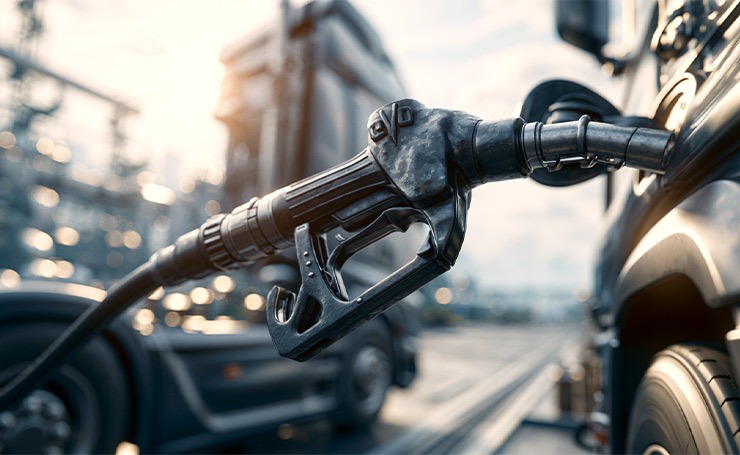
- Transportation
- Cooking and heating
- Industry and agriculture
- Electricity generation
What Happens to Biomass By-Products?
Biomass, when processed through different methods for different purposes, leaves behind different by-products. These are used as fertilizers, in construction, and for soil amendments.
Ash from Combustion
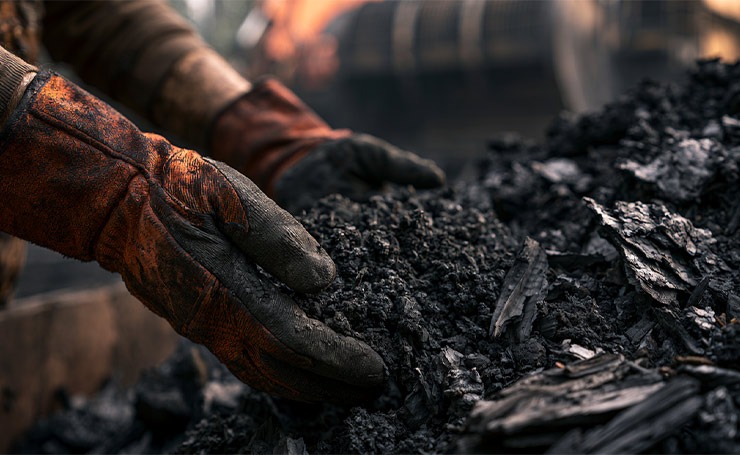
When biomass is burned to produce electricity, it produces bottom ash (heavy residue) and fly ash (airborne, fine remnants).
Recycling and Reuse: This ash is rich in different nutrients, such as calcium, magnesium, potassium, and phosphorus. It can be used in agricultural and forest soils as fertilizer. It can also be added to cement and brick manufacturing. It is also a great alternative to agricultural lime.
Digestate from Anaerobic Digestion
When plant, human, animal, and agricultural waste go through anaerobic digestion, it leaves behind a brown sludge. That residue is called digestate.
Recycling and Reuse: Digestate has nearly all of the nutrients, including nitrogen, potassium, and phosphorus, from the original biomass. It is usually separated into liquid and solid parts. These are then used as fertilizers to replace synthetic chemical ones. Digestate also lowers farming carbon footprints and improves soil quality and water retention capacity.
Biochar from Pyrolysis
Biochar is a charcoal-like material that is left behind when biomass is heated in a low-to-zero oxygen environment.
Recycling and Reuse: Biochar retains carbon permanently and is highly porous. It is used for soil improvement, water retention, and increased microbial activity. It is also used as an adsorbent in wastewater treatment. Moreover, biochar has uses as a catalyst support and a structural additive in asphalt and concrete.
Opportunities for Recycling and Reuse
- Recycling ash and digestate shifts the complete dependence on depleting reserves of mined phosphorus.
- Some by-products are combined, such as ash and biochar, to create high-quality fertilizers.
- Biochar can be used to purify biogas before the digestate is processed for farming.
Factors That Affect Biomass Energy Efficiency
The efficiency of biomass depends on how the feedstock is prepared and processed. The key factors are as follows.
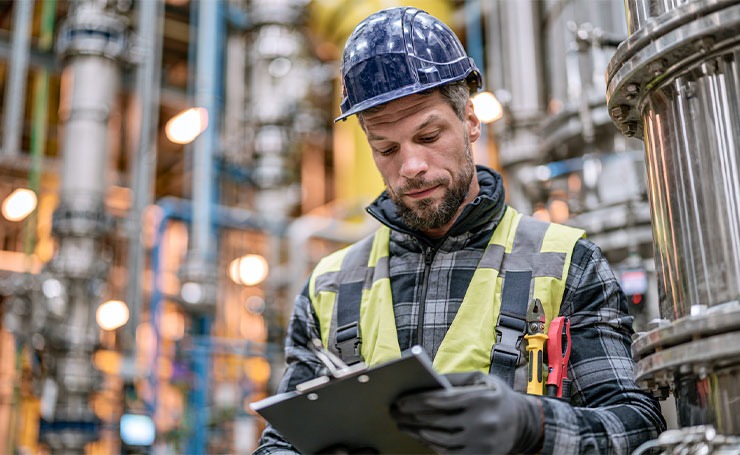
Moisture Content
High moisture levels (more than 20%) reduce combustion temperature. The reason is that water needs a higher temperature to evaporate before the organic mass starts burning. The ideal moisture should be around 10 to 15 percent for direct combustion.
Feedstock Quality
The energy density of cellulose, lignin, and hemicellulose determines the heat biomass releases. With high levels of ash, sulfur, nitrogen, and chlorine, efficiency decreases. It then leads to slagging and corrosion on equipment surfaces, stopping heat transfer.
Conversion Technology
Conversion methods also influence the amount of energy biomass yields. Direct combustion boils water but does not capture the total potential energy. However, advanced techniques, like anaerobic digestion and gasification, are better suited to achieve overall conversion efficiencies.
Plant Design and Maintenance
Another important factor is how the power plant is designed and maintained. Clean heat exchangers and well-insulated equipment reduce the chances of thermal energy loss. Regular maintenance prevents ash buildup, leaks, and equipment corrosion that can reduce plant efficiency.
Biomass Energy Process Example
Here is a real-world example of waste-to-energy conversion.
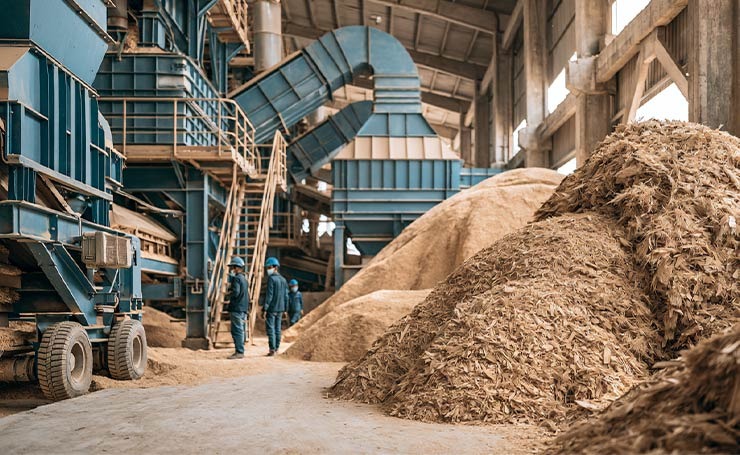
An excellent example is the Rice Mill Biomass Power Plant. In agricultural regions across South Asia and Southeast Asia, rice mills produce a huge amount of rice husk, which is treated as waste. Take a look at how it is converted into power.
- Rice mills collect the husk, which is rich in lignin and cellulose.
- The husks are placed into a high-temperature chamber with a controlled oxygen supply.
- Husks are not subjected to direct combustion. Instead, they go through thermal decomposition, which converts the organic matter into syngas. This gas is mostly composed of carbon monoxide and hydrogen.
- The syngas is used to power internal combustion engines or steam turbines. They produce electricity for the local grid.
- The ash by-product is used as an additive in cement or brick making.
Challenges in the Biomass Energy Conversion Process
The biomass conversion process faces many challenges.
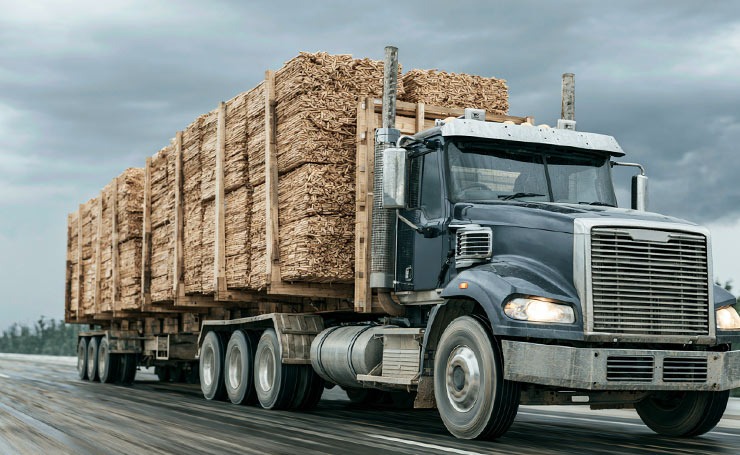
Collection and Transportation
Biomass is scattered widely and also has low energy density. Transporting large batches of organic matter consumes more energy than the biomass yields.
Solution: Biomass facilities use densification to increase the density of organic matter and streamline supply chain operations.
Moisture Management
Raw biomass, such as agricultural residue and municipal waste, has a moisture content greater than 50%. It can reduce conversion efficiency.
Solution: Pretreatment drying techniques, such as solar drying, natural drying, or using waste heat from the conversion plant, are ideal.
Technology Costs
Advanced technologies, such as pyrolysis, gasification, and anaerobic digestion, require high capital expenditures. Moreover, unstable feedstock prices make operating costs unpredictable.
Solution: Developers often explore local biorefineries that generate electricity as well as high-value biochemicals to improve financial returns.
Emissions Control Requirements
While biomass is considered renewable, the conversion process often produces harmful by-products, such as particulate matter, corrosive tars, and nitrogen oxides.
Solution: Power plants should comply with strict local environmental standards. Moreover, systems like catalytic filters, gas conditioning, and exhaust scrubbing should be taken seriously.
The Bottom Line
This guide explained how biomass energy works in detail. As a renewable resource, it can be converted into electricity and heat using different methods. The conversion processes leave behind different by-products like ash and sludge that are recycled and repurposed.
Apart from valuable by-products, conversion processes also produce residues that can be extremely dangerous to the environment. Therefore, proper plant maintenance and strict regulations should be implemented to make this energy source truly useful.
For more information on biomass and other renewable energy resources, visit Green Energy Insights.
FAQs
What Type of Waste is Best for Biomass Energy Production?
The best types of waste include wood waste, food waste, agricultural waste residues, and animal manure. They are abundant and contain high levels of usable organic material.
Can Biomass Energy Be Produced All Year?
Yes, biomass can be produced all year as long as there is a steady supply of organic material.
Does Biomass Energy Reduce Landfill Waste?
Yes, biomass facilities do not let food and municipal waste go to landfills. Instead, they are used to generate useful energy while also reducing methane emissions.
What Industries Use Biomass Energy the Most?
The industries that use biomass energy are food processing, agriculture, paper manufacturing, forestry, and district heating systems.
Can Biomass Energy Support Rural Communities?
Yes, biomass projects are great for creating local jobs. They can also provide additional income streams for farmers and help rural areas generate electricity from locally available resources.
