


Wind is a clean, free, and powerful renewable source to generate electricity. As per the U.S. National Renewable Energy Laboratory, the earliest tool that harnessed the wind was the windmill. It was used to grind grain and pump water.
A wind turbine is the modern version of it. They have two or three thin blades that capture the power of the wind and resemble aeroplane propellers.
According to Clean Energy Ideas, some of the biggest models can generate 12 MW of electricity, and each turbine can provide electricity to 16,000 families every year.
So, what tools are needed to harness wind energy for the benefit of people? Let’s find out.
30-Second Summary
Wind is considered one of the most important renewable sources for electricity generation. But what tools are needed to harness wind energy? Explore the answer in this detailed guide.
Learn about key parts of a wind turbine and tools for measurement and maintenance. See how these tools ensure the ideal performance of a turbine and increase its lifespan.
Types of Wind Turbines and Their Impact on Required Tools
Let’s explore the types of wind turbines before we walk you through the tools used to convert wind energy.
Horizontal-Axis Wind Turbines
These are the most common types of turbines used in large-scale wind farms. The important parts include a tall tower, rotor blades, and a nacelle. The nacelle carries a generator, gearbox, and control systems.
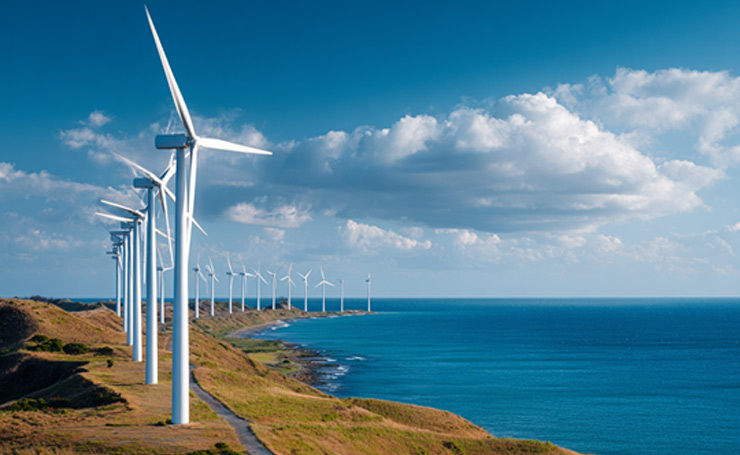
They have a complicated design and are very tall. Therefore, they need special installation tools, foundation systems, and maintenance equipment.
Vertical-Axis Wind Turbines
The small size of these turbines and their ability to function at lower wind speeds make them ideal for urban areas and small-scale farms.

The equipment used for them includes compact generators, lightweight structural support, and simple mounting tools.
Complete Wind Power Equipment List
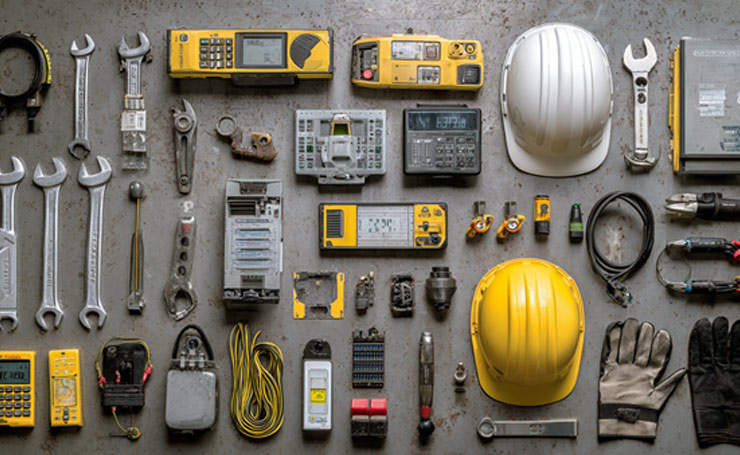
Harnessing wind requires a blend of mechanical, electrical, and digital systems. Below is the complete list of equipment used to harness wind energy, which will be explained later in the blog.
Wind Turbine Components
- Nacelle
- Rotor blades
- Hub
- Generator
- Gearbox
- Blade pitch control
- Yaw mechanism
- Tower
Electrical and Control Equipment
- Power electronics
- Inverter
- SCADA system
- Control system
- Electrical wiring
- Sensors
Measurement and Monitoring Tools
- Wind Vane
- Anemometer
- Wind resource assessment tools
- Met mast
- Monitoring system
Structural and Installation Equipment
- Cranes and other lifting equipment
- Foundations
- Torque wrenches
- Bolt tensioners
- Structural supports
Maintenance and Safety Tools
- Lubrication equipment
- Safety gear
- Inspection drones
- Maintenance platforms
Core Components of a Wind Turbine
As we mentioned, wind turbines are the most important tool for harnessing wind energy and converting it into mechanical and electrical energy. Each turbine has many key parts that work together to generate powerful wind energy.
Rotor Blades: Capturing the Wind’s Force
Most turbines have three blades made of fiberglass or carbon fiber. They are designed aerodynamically to capture the wind’s force and convert it into rotational motion.

The size of the blades varies; however, the typical size of a land-based turbine blade is 170 feet. When the wind blows across the blades, it pushes them to spin around a central hub. This rotation starts the whole energy conversion process.
Nacelle and Gearbox: Transmitting Mechanical Power
The nacelle is positioned on the top of the tower and consists of crucial components like the gearbox, generator, brake, and low and high-speed shafts.
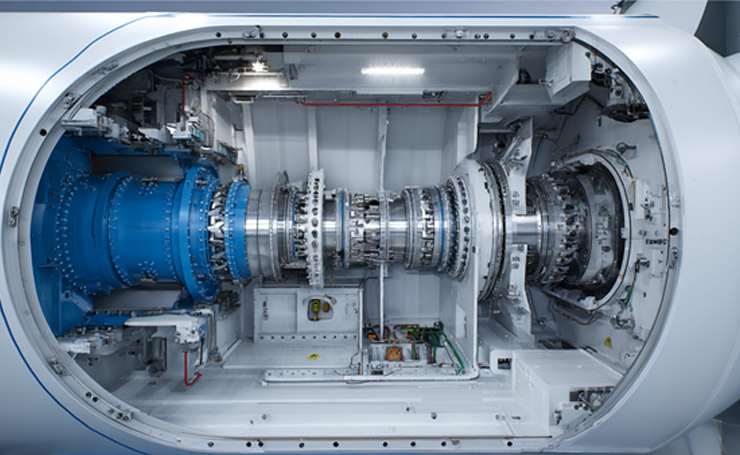
The gearbox amplifies the rotational speed of the blades to an extent suitable for electricity generation. Even when the blades spin slowly, the gearbox ensures that the generators spin 1000 to 1800 rpm to produce electricity efficiently.
Generator and Power Electronics: Turning Motion into Electricity
After the mechanical energy is transferred through the gearbox, the generator turns into electrical energy. Some generators are powered by gearboxes, while others are attached directly to the rotor.
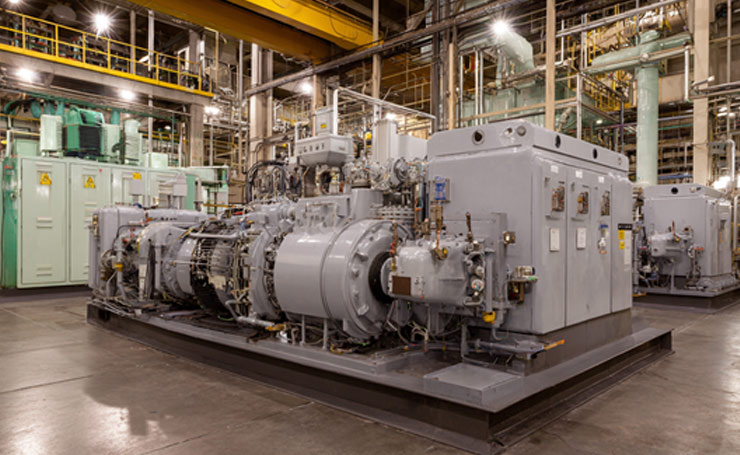
The electricity produced is different in frequency and voltage. This is where power electronics and inverters step in. They change the electricity into a stable form, which is also suitable for the grid. Due to this process, the electricity is safely transferred and used.
Tower and Foundations: Height and Stability
The tower supports the structure and provides height to the turbine to catch stronger wind currents. Taller towers produce more electricity due to better wind exposure.
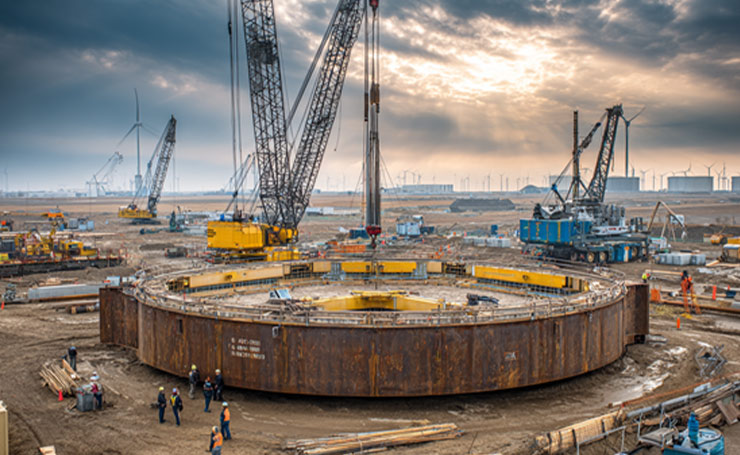
Foundations and structural supports lie below the ground. They offer stability against dangerously high winds and vibrations. Without a solid foundation, even the most efficient turbine cannot work properly.
Control System, Blade Pitch, and Yaw Mechanism for Efficiency
The control system is like the brain of the turbine. It monitors the direction of the wind and adjusts turbine settings for maximum output.
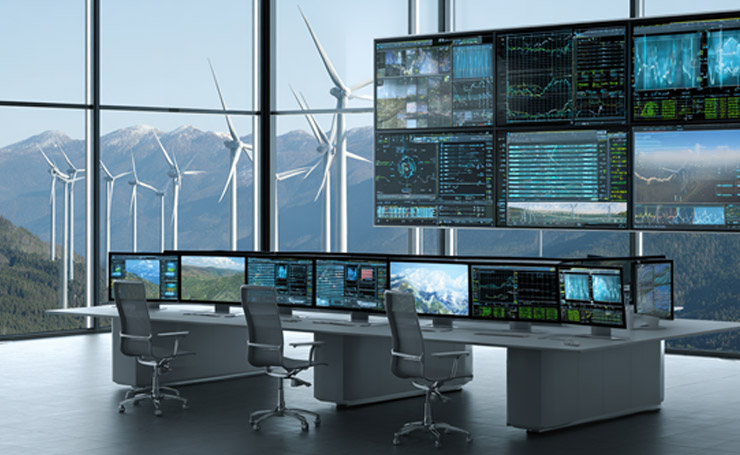
The blade pitch control changes the angle of the blades to capture wind and also slows them down during storms. The yaw system rotates the nacelle to make it face the wind whenever the wind’s direction changes.
Measurement and Assessment Tools for Wind Energy
Before building a wind farm, engineers use wind measurement instruments to check the site’s potential. These tools determine where and how wind turbines should be installed for maximum output.
Anemometer and Wind Vane
An anemometer measures the accurate speed of the wind and transmits this data to the controller. A wind vane precisely detects the direction of the wind and sends a signal to the yaw drive to adjust the turbine’s direction according to the wind.
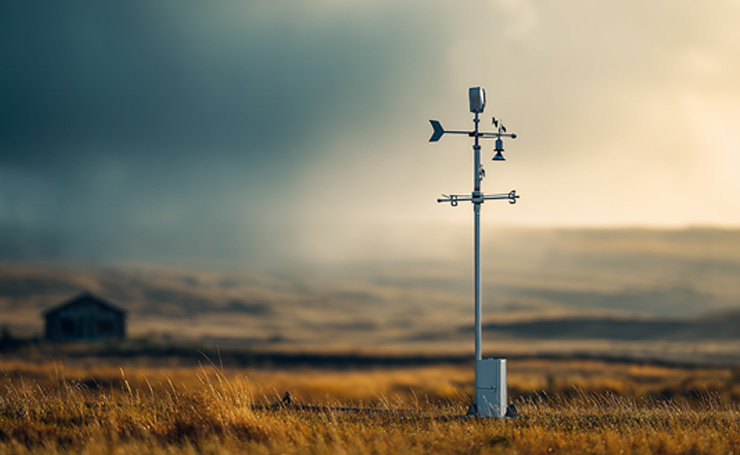
Together, these instruments help experts find the best place to install turbines. Turbines should be placed where wind currents are consistent but not dangerously high.
Sensors and Met Mast
A met mast or meteorological mast is a tall tower with sensors. It detects temperature, humidity, turbulence, and air pressure.
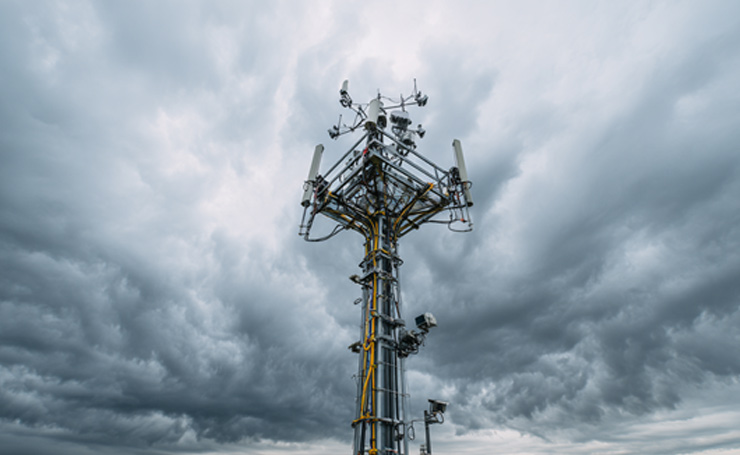
This information helps experts in conducting wind resource assessment and predicting how much electricity a site can produce throughout the year.
Tools for Wind Turbine Installation
Wind turbine installation is a major engineering project that requires specialized installation tools and heavy equipment.
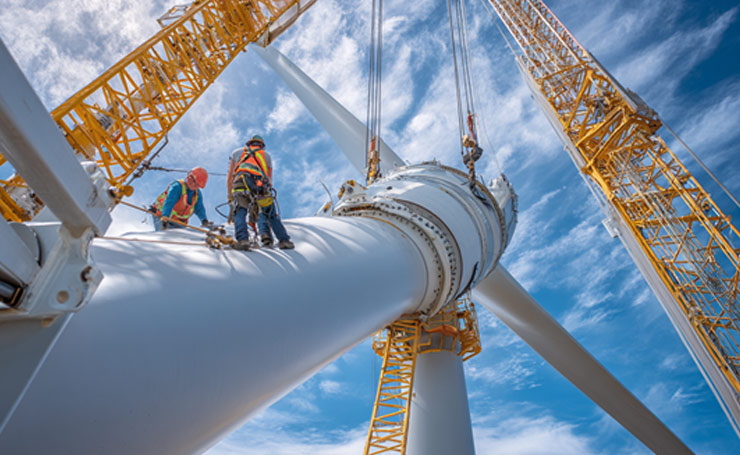
- Cranes and lifting tools are used to put massive parts like nacelles and blades into place.
- Torque wrenches and bolt tensioners ensure that the connections are fastened and secure.
- Electrical wiring and grounding systems connect the turbine to the grid for safer energy transfer.
- Power electronics and control panels manage energy flow between substations and turbines.
These tools for wind farm systems ensure a smooth process from installation to electricity delivery.
Monitoring and Maintenance Tools
After installation, wind turbines need regular monitoring to ensure they deliver the best results.
Advanced digital tools are used for this monitoring and maintenance.
Monitoring Systems and SCADA
The SCADA system (Supervisory Control and Data Acquisition) is a central digital platform used in modern wind farms. It collects data from each turbine and analyzes its performance, including power output, wind speed, and mechanical stress.

This real-time monitoring allows maintenance teams to detect any problem early, saving them from costly breakdowns.
Maintenance Tools for Turbine Longevity
Regular maintenance is important to keep turbines reliable and their functioning at an optimal level. Preventive maintenance ensures consistent output as well as the longevity of turbines.
Common tools used by maintenance teams are
- Inspection drones for virtual assessments.
- Lubrication tools to keep the parts moving properly.
- Climbing equipment and safety gear for technicians.
- Diagnostic devices for mechanical and electrical testing.
How do These Tools Work Together?
From rotor blades to the SCADA system, every tool we explored works together to harness the power of wind efficiently.

Here is the process
- Wind measurement tools identify the suitable site for wind farms.
- Wind turbines convert wind energy into electricity.
- Power electronics and inverters stabilize the electricity for proper grid distribution.
- Maintenance and monitoring tools ensure that the entire system works smoothly.
This combination of mechanical, electrical, and digital technologies makes wind energy one of the most powerful sustainable energies today.
The Bottom Line
Capturing wind energy is not limited to placing turbines in a windy area. It takes the right combination of expertise, tools, and technology. This guide discusses what tools are needed to harness wind energy.
From accurate measurement for site selection to the advanced monitoring system, every tool plays an important part in turning wind into clean energy.
Want to explore more renewable energy sources? Feel free to visit Green Energy Insights for the latest information.
FAQs
What tools are needed to Harness Wind Energy Efficiently?
It requires a combination of mechanical and digital tools to harness the wind for electricity generation. The main tools are wind turbines, rotor blades, gearboxes, inverters, control systems, and generators, and supporting tools include SCADA monitoring, anemometers, and wind vanes.
How do Maintenance Tools help improve Turbine Lifespan?
The use of maintenance tools, such as drones, grease pumps, torque wrenches, and vibration sensors, detects issues early. It reduces downtime, extends equipment lifespan, and ensures consistent energy output.
How do Anemometers and Wind Vanes help in Harnessing Wind Energy?
These tools are necessary to determine the optimal locations for turbine installation. They help measure wind speed and direction. Without them, it will be impossible to predict wind patterns.
