

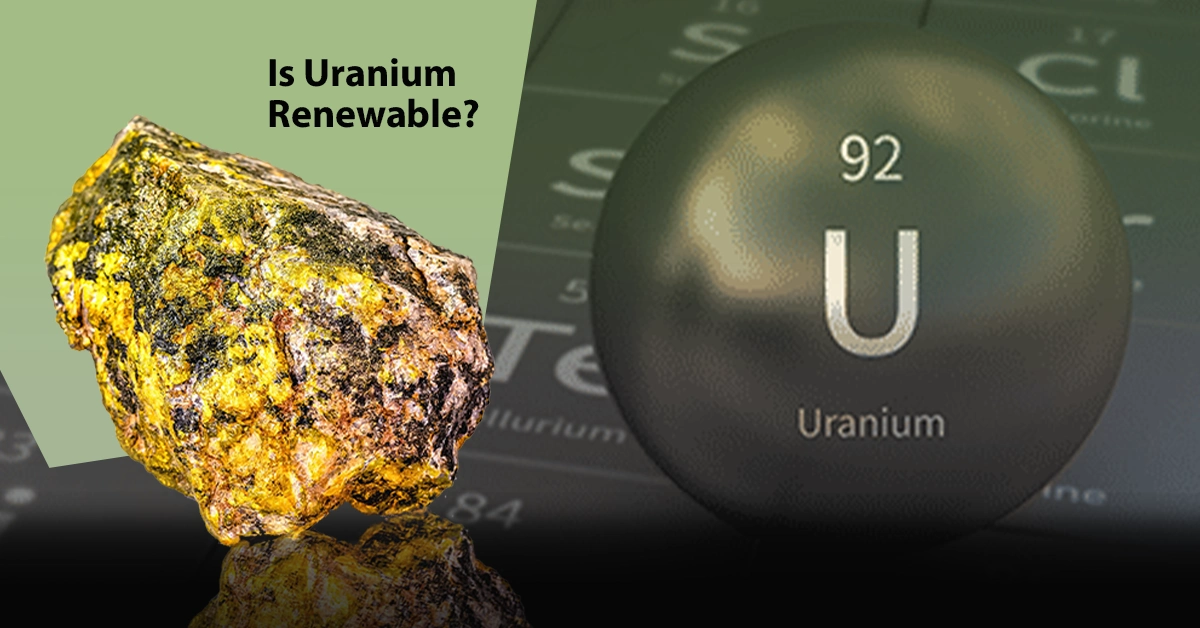
Uranium is one of the most powerful energy sources on Earth. It fuels nuclear reactors that generate large amounts of low-energy carbon with almost no greenhouse emissions.
But as the entire world is moving towards sustainable energy, a question arises: “Is uranium renewable?”
The short answer is “no, it is not.” But the full picture is more interesting. In this guide, we break down everything, including uranium mining, uranium-235, advanced reactors, and radioactive waste.
You will also learn about the interesting concept of uranium extraction from seawater, so let’s dive into this detailed blog.
30-Second Summary
Uranium is used in nuclear energy plants and for electricity generation. As it is important in many aspects, a concerning question arises: “Is uranium renewable?”
The answer to this question is covered in this blog. Find out what uranium is, how it is formed, the reasons why it is nonrenewable, its mining process, and its role in our energy system.
Moreover, learn about advanced technologies and emerging innovations to make uranium sustainable and extend its lifespan, with important environmental considerations.
What is Uranium?
Uranium is a naturally occurring radioactive material. It is silvery-white metallic with the symbol “U” and atomic number 92.
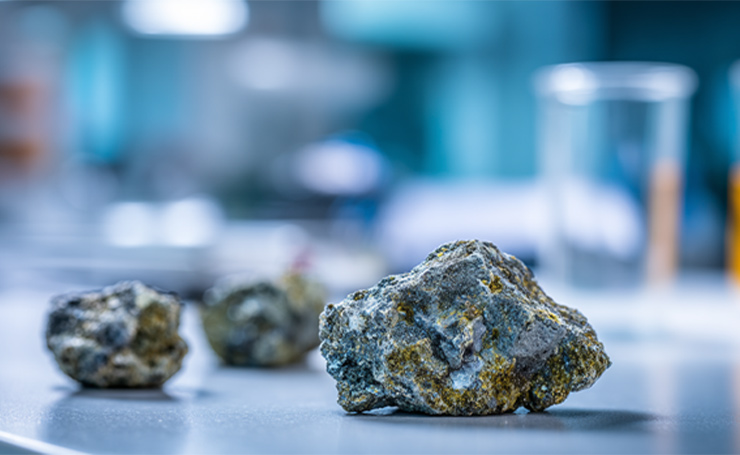
It is the heaviest naturally occurring element. Uranium is basically used as a fuel for nuclear power stations, where its atoms are split (fission) to release large amounts of energy.
Natural uranium has two main isotopes.
- Uranium-238 has about 99.3% natural uranium. It is abundant and stable.
- Uranium-235 makes up about 0.7% uranium. It is the fissile material that is used to power nuclear reactors.
Uranium-235 is extremely rare, so it needs enrichment before becoming usable nuclear fuel.
How is Uranium Formed?
Uranium’s origin story is cosmic. It did not form on Earth; instead, it was created inside massive stars billions of years ago that ended their lives in powerful supernova explosions.
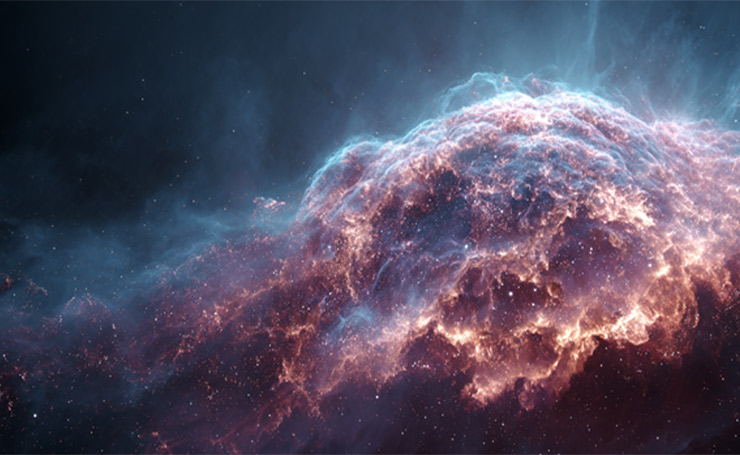
During these events, extreme heat and pressure started a process called “rapid neutron capture.” It is responsible for producing very heavy elements, including uranium.
After these stars exploded, the already formed uranium was thrown into space, and it became a part of the cloud of gas and dust that formed our solar system. When Earth was formed, uranium particles locked into its crust and concentrated into mineral deposits over time.
The formation process of uranium takes place over astronomical time, not human or even geological timescales. Therefore, it cannot be replenished in any meaningful way. This is the reason uranium is a nonrenewable energy source.
Why Uranium is a Nonrenewable Source
Here are some reasons why uranium is scientifically not a renewable energy resource.
No Natural Formation
Uranium was not formed on Earth. It was a result of cosmic explosions as we discussed above. The uranium we use today is what’s left from billions of years ago. As there is no new formation, it is considered a nonrenewable resource.
Finite Uranium Reserves
The uranium reserves in the entire world are limited. As of January 1, 2023, the estimated global identified recoverable resources of uranium were around 7,934,500 tonnes.
Mining Outspaces Replenishment
The rate of uranium mining and consumption far exceeds natural replenishment. Therefore, this element is considered nonrenewable.
How Uranium is Mined
Uranium is mined using underground, open-pit, and in-situ leaching (ISL) methods. Open-pit and underground are conventional methods, while in-situ leaching is one of the most modern and widely used processes for mining uranium.
Conventional Mining
Open-pit Mining: This method is used when uranium ore is close to the surface. Miners remove the overlying rock and soil to extract it.
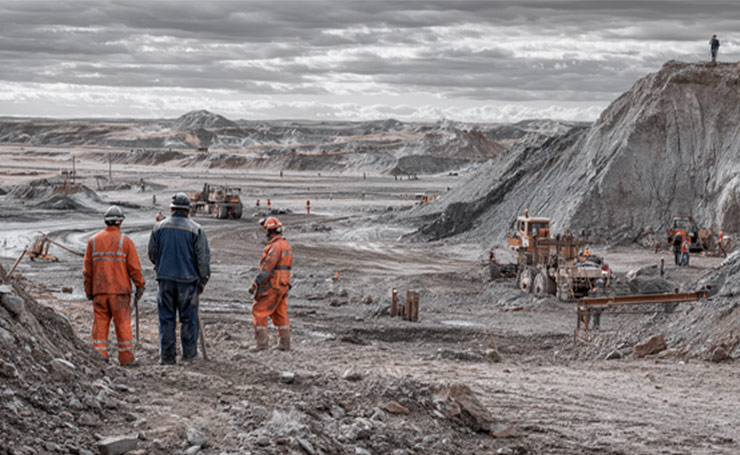
Underground Mining: This method is used for deep uranium extraction. Miners dig shafts and tunnels to reach the ore and then extract it.
In-situ Leaching
In-situ leaching, also known as in-situ recovery, is the most common method now. Basically, a chemical solution, often alkaline or acidic, is pumped through a well into the uranium deposit to dissolve this element.
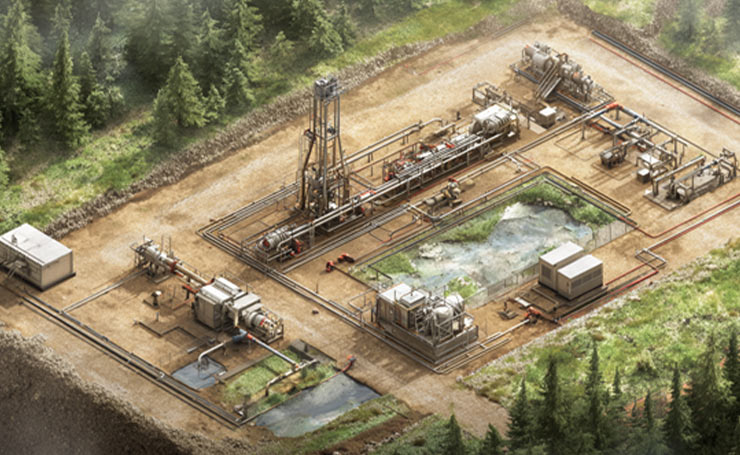
After that, the uranium-rich solution is pumped back to the surface using a separate network of wells.
How Uranium Powers Our Energy System
Let’s understand the process of uranium energy production.
Uranium into Fuel
The uranium extracted through mining is then processed into a solid, yellowcake uranium oxide. This yellowcake is then converted into gas. It is enriched to increase the concentration of fissile isotope, which is Uranium-235, for commercial reactors.
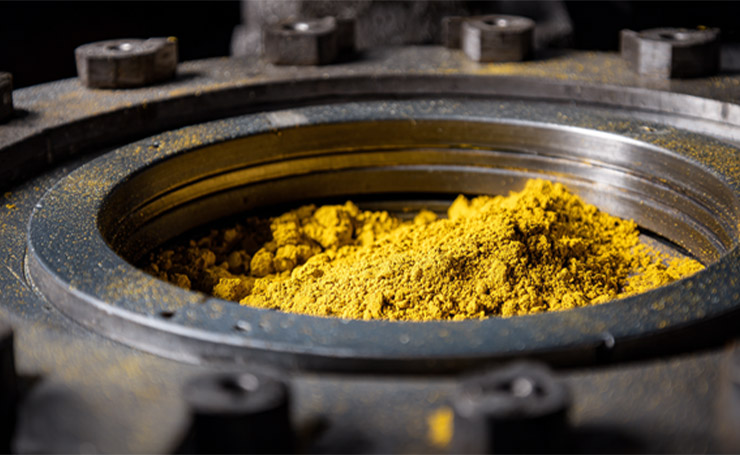
This enriched uranium is converted into uranium dioxide powder. It is then heated and compressed into ceramic pellets.
These pellets are stacked into long metal tubes, which are called fuel rods. These rods are bundled together into fuel assemblies.
Nuclear Fission and Steam Generation
The reactor core contains fuel assemblies. It is immersed in the water, which acts as a coolant and a moderator. The process begins when a neutron collides with a Uranium-235 nucleus.
It splits (a process called fission) and releases a significant amount of energy (heat and radiation) and more neutrons. These neutrons strike other uranium atoms, starting a nuclear chain reaction.
To make sure that the reaction stays controlled, control rods are used. They are inserted or withdrawn from the reactor core. They absorb the neutrons and manage the reaction rate.
The heat generated in the process of fission causes water to boil and produces steam.
Electricity Generation
This steam spins the turbine blades, which are connected to a generator. When the generator spins, it generates electricity.
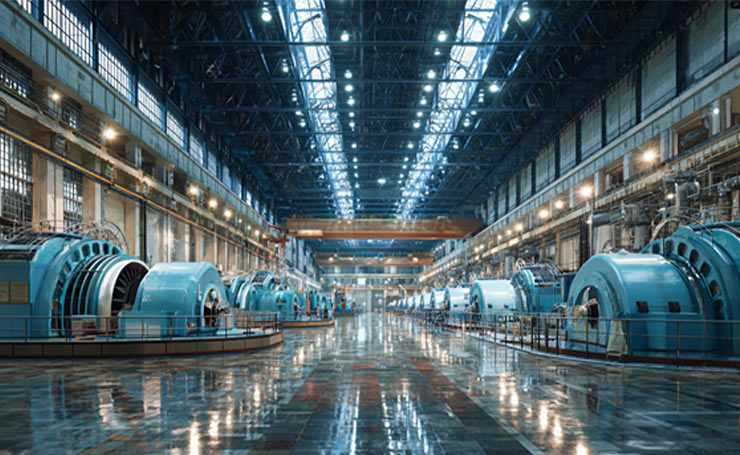
The steam is cooled back into water in a separate cooling tower or body of water. This water is then reused to continue the cycle.
Uranium Availability Today
Most uranium comes from the following countries.
- Kazakhstan
- Australia
- Canada
- Namibia
- Uzbekistan
Limited Uranium Reserves
Despite the large known reserves, they are finite and are being actively depleted through mining. Experts estimate that at current consumption levels, we have around 80 to 100 years of economically recoverable uranium, without recycling and advanced techniques.
It means that we need technology and strategies that can extend the lifespan of the uranium currently present in Earth’s crust.
Advanced Technologies for Enhanced Uranium Sustainability
While uranium is not one of the renewable sources, new technologies can expand its lifespan significantly.

Breeder Reactors
Breeder reactors can theoretically produce more fissile energy than they consume by converting uranium-238 into plutonium-239. It can potentially enhance the usable energy from uranium by up to 60 times in ideal situations.
Fast Neutron Reactors
Fast neutron reactors use fast (unmoderated) neutrons, which allows them to extract energy from a wider range of isotopes. It lessens the volume and long-term radiotoxicity of nuclear waste.
Molten Salt Reactors
Some Molten Salt Reactor designs function at low pressure. They enhance fuel efficiency and theoretically can reuse spent nuclear energy. However, it heavily depends on a certain reactor concept.
Traveling Wave Reactors
Traveling Wave Reactors are a promising futuristic concept. They can run for decades without external refueling by slowly producing fissile material from abundant U-238.
Closed Fuel Cycle
A Closed Fuel Cycle focuses on recycling used nuclear fuel to recover fissile materials and fertile isotopes. It reduces waste and increases the lifespan of uranium resources. However, it comes with certain economic and proliferation challenges.
Emerging Innovations
These innovations focus on making uranium more sustainable.
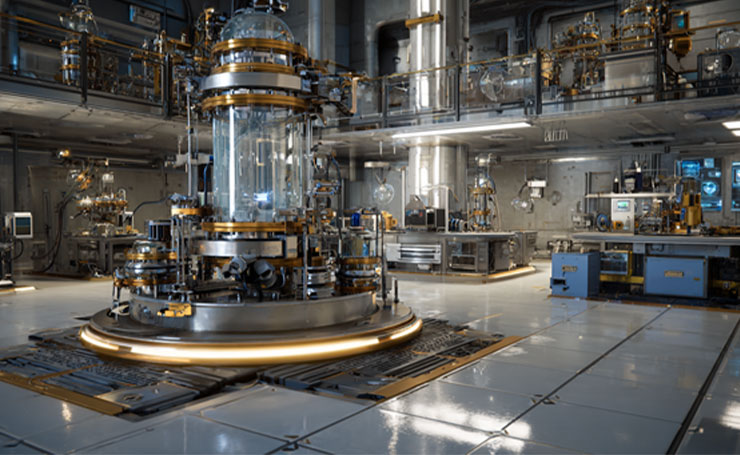
Uranium Extraction from Seawater
The ocean contains around 4 to 4.5 billion tonnes of uranium, more than the amount present in land-based reserves. The concentration is low, but research into seawater is advancing.
As geological processes slowly leach uranium back into the ocean, some researchers consider this “resource” quasi-renewable. However, it is not infinite in practical terms.
Amidoxime Fibers
One of the most promising technologies to extract uranium from seawater is using amidoxime-coated polymer fibers to selectively bind uranyl ions.
Over the past years, the costs for this process have been cut significantly; the current estimates remain higher than conventional mining.
Secondary Uranium Resources
Apart from seawater, secondary uranium resources include mine tailings, uranium recovered from phosphate processing, and reprocessed nuclear fuel.
- Phosphate processing: Phosphate rock, which is used in fertilizer, contains uranium as a by-product. Historically, some uranium was recovered during phosphate production, but it became uneconomical in the past decades.
- Reprocessed fuel (RepU): Spent fuel can be reprocessed to recover uranium and other actinides.
- Mine tailings: After milling, residual uranium remains in tailings. The recovery is technically possible, but it is very costly and not done at scale.
These secondary resources do not produce new uranium. They significantly extend the lifespan of the already available supply and help with sustainability.
Environmental Considerations
Using uranium comes with some environmental concerns.
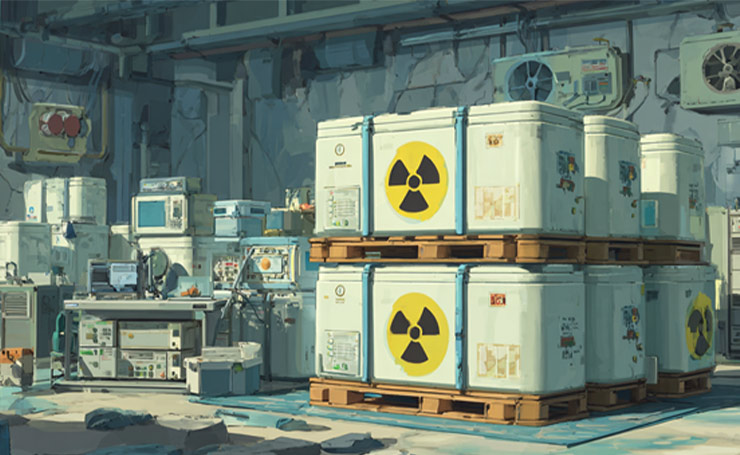
Radioactive Waste
Nuclear waste remains radioactive and hazardous for thousands of years. Modern storage systems are secure, yet the long-term management is complex and expensive.
Sustainable Nuclear Energy
With recycling, efficient fuel cycles, and advanced reactors, nuclear power can become a part of clean energy, even if uranium is nonrenewable.
Will Uranium Ever Become Renewable?
No, uranium is not a renewable source in its natural form. But with future technologies, including recycling, seawater extraction, and breeder reactors, we can extend the lifespan of the available supply and make it more sustainable.
Nuclear energy will remain a source of low-carbon emissions as the world switches from fossil fuels to cleaner energy solutions, such as solar power and wind energy.
Wrapping Up
The answer to the question “Is uranium renewable?” is a simple no. It was not formed on Earth, and the current consumption rate suggests that we will eventually run out of its reserves.
However, advanced nuclear technologies, recycling, and secondary uranium resources can extend its availability dramatically, making it a long-lasting and potentially sustainable source of energy for the future.
FAQs
Why is Uranium not Considered Renewable?
Uranium was formed billions of years ago through cosmic explosions. It cannot be replenished in a human lifetime, like other renewable energy sources. Therefore, it is considered a finite resource and once depleted, it cannot be replaced.
Can Breeder Reactors make Uranium Renewable?
Breeder reactors cannot make uranium renewable. However, they can multiply the fuel supply by creating new fissile material, which can extend the availability of uranium significantly.
Is Mining Uranium Harmful for the Environment?
Yes, mining uranium ore can be harmful to the environment due to radioactive contamination. It can result in land disruption, water pollution, and radiation risks.
Can Spent Nuclear Fuel be Reused?
Yes, fuel recycling and advanced reactors can reuse a portion of nuclear fuel. It reduces waste and extends resources.
Is Uranium-235 Renewable?
No, Uranium-235 is extremely scarce (around 0.7% of natural uranium) and cannot be replenished in human timescales.
Can Advanced Reactors completely eliminate Radioactive Waste?
No, they cannot entirely eliminate radioactive waste. However, they can reduce its quantity and toxicity.
