

20-Second Summary
Solar energy is renewable because the sun’s energy is naturally replenished every day for 5+ billion years, unlike fossil fuels that deplete within centuries.
Solar power systems not only generate renewable energy but also do so without generating any greenhouse gases.
Their manufacturing process involves a minimal carbon footprint, which can usually be repaid in two to three years, and not just that, the solar panels also remain efficient in their performance for up to 25 years or more, making it the most feasible and proven solar energy source.
Solar energy also helps to increase the energy independence for people by providing them with community solar programs and solar renewable energy credits, reducing their installation cost and location restriction in areas with no space to install the solar system,s and a considerable reduction in their electricity bills.
Other than the energy savings, solar technologies are also really great for environmental benefits, making them a desirable renewable energy source.
In this guide, we will explore what makes it a renewable energy source, how it functions as one, and what its future will be.
What Does It Mean for Solar Energy to Be Renewable?
Solar energy is considered renewable based on the sun being its source, which is not limited in its energy capacity, unlike fossil fuels, which will not replenish like it, making it the most sustainable renewable energy source on earth.
Solar energy is a natural resource that provides energy on a daily basis, which even exceeds the global energy demands and can be expected to last for billions of years.
This sustainable energy source for humanity does not produce any greenhouse gases and will continue to provide energy to the world beyond the declining energy from non-renewable resources like fossil fuels.
How Is Solar Energy Different From Fossil Fuels and Natural Gas?
The major differences between solar energy and natural gas and other fossil fuels are its sustainable, replenished energy generation and its lower carbon footprint for better environmental protection.

The table given below enlists these and some other major factors to show their differences from both types of non-renewable energy sources.
| Consideration | Solar Energy | Fossil Fuels and Natural Gas |
| Energy source type | Uses sunlight, a naturally available energy source | Uses coal, oil, and natural gas that are formed over millions of years |
| Renewability status | Renewable and continuously replenished by nature | Non-renewable and limited, once used, they cannot be replaced |
| Competitive edge in energy transition | Higher due to sustainability and long-term availability | Falls behind due to depletion and environmental damage |
| Carbon emissions | Produces no direct carbon emissions during electricity generation | Releases high levels of carbon emissions during combustion |
| Greenhouse gases | Does not emit greenhouse gases during operation | A major source of greenhouse gases, including carbon dioxide and methane |
| Greenhouse gas emissions impact | Helps reduce overall greenhouse gas emissions | Accelerates greenhouse gas emissions and global warming |
| Carbon footprint | Very low carbon footprint across its lifecycle | High carbon footprint from extraction to consumption |
| Climate change contribution | Helps slow climate change by replacing polluting energy sources | Primary contributor to climate change worldwide |
| Environmental protection | Supports cleaner air, land, and ecosystems | Causes air pollution, water contamination, and habitat loss |
| Energy generation process | Converts sunlight directly into electricity through solar panels | Requires extraction, refining, transport, and burning |
| Resource availability | Available worldwide wherever sunlight exists | Concentrated in specific regions and subject to supply limits |
| Long-term viability | Reliable solution for future energy needs | Unsustainable due to declining reserves |
| Price stability | Stable energy costs since sunlight is free | Prices fluctuate due to market demand and geopolitical factors |
The Science Behind Why Solar Power is a Renewable Energy Source
The science behind the working of solar energy is quite simple. It starts from the solar energy coming down from the sun, where the Photovoltaic effect principle is used by the solar panels.

- The solar panels comprise materials like silicon, which have electrical properties.
- As soon as the photons from the sunlight strike the silicon, the electrons from the atoms of the silicon start moving and flow towards a specific direction, creating direct current.
- The DC (direct current) is then converted into the alternating current (AC) to use for households, commercial or businesses, or to simply store or send the excess to the grid system.
In a similar way, the solar energy will keep producing and sending the photons to the solar panels, which will be more than required on a regular basis for billions of years, which makes it a continuous process of energy generation, hence renewable.
Understanding Solar Energy Technologies: How They Harness Solar Energy
Solar energy is broadly categorized into active and passive use. Based on this, other than passive solar energy, there are three major solar energy technologies that harness solar energy.

Three Main Solar Energy Technologies
These three classifications of solar energy technology are widely accepted in the energy sector.
Solar Photovoltaic Technology
- This is the most common type of solar energy being generated and consumed around the world, which converts the sunlight into electricity by using the photovoltaic cells made from materials like silicon.
- This solar energy technology powers residential buildings, businesses, and utility-scale solar firms.
Solar Thermal Technology
- Solar thermal systems capture sunlight to generate heat rather than electricity. This heat is then used to heat the water, spaces, for industrial processes, and also for generating electricity.
- Common applications of the Solar Thermal Technology include solar water heaters and industrial heat systems.
Concentrated Solar Power Technology
- Concentrated solar power technology utilizes mirrors to concentrate and focus the sunlight on a receiver for generating the heat at high temperatures to produce steam that runs the turbines for producing electricity.
- This type of solar energy is used in large-scale power plants and often includes thermal energy storage for electricity generation after sunset.
Passive Solar Energy Technology
- In passive solar technology, buildings are designed smartly using the materials that absorb heat with the help of smart windows orientation for proper sunlight exposure and insulation.
- You basically can heat your house without any solar panels or thermal systems by keeping your glass windows facing the south for maximum heat energy absorption, along with the use of stone, brick, or marble in the house to absorb the heat from the sunlight and retain it.
- This allows you to keep your home heated up without the installation of any system to maintain.
Solar Power Systems Across Residential, Commercial, and Utility Scales
Let us have a look at how this renewable energy resource can cater to the needs at residential, commercial, and utility scales. Having the capacity to be scaled at any level is another perk of its renewability.

| Solar System Type | Typical Size | Main Users | Key Benefits | Role in Renewable Energy |
| Residential Solar Energy Systems | 3 to 10 kilowatts | Individual homeowners | Cuts electricity bills by 50 to 80 percent and supports household energy independence | Shows renewable energy is accessible and practical for everyday homes |
| Commercial Solar Power Systems | 10 to over 100 kilowatts | Businesses, warehouses, offices, and industries | Reduces operating costs and strengthens environmental responsibility | Expands renewable energy use across economic activities |
| Utility Scale Solar Facilities | Megawatts of power | Power grids and large populations | Supplies large-scale electricity without exhausting resources | Proves solar can meet wide energy demand using a renewable source |
Why Solar Power Eliminates Carbon Footprint and Greenhouse Gas Emissions
Solar energy stands out among renewable energy sources because it produces zero greenhouse gas emissions while operating.
As solar energy systems harness the energy coming from the sunlight and create energy using the photovoltaic effect, there are no carbon emissions involved, unlike fossil fuels, which involve the combustion process, giving off greenhouse gases into the environment.

Solar power eliminates the carbon footprint completely by not just using the photovoltaic technology that does not produce any GHG, but also by repaying their carbon footprint caused during the manufacturing and installation process, within just two to three years of its installation and operations.
After this payback period, the next 22 to 23 years of the efficiency of the solar panels produces zero GHG (greenhouse gases) while providing renewable energy.
With a 25-year lifespan of a solar panel, the solar energy produced by it has a carbon intensity of around 10 to 50 grams of CO2/kWh (U.S.-manufactured: 10-36g, internationally: 40-50g), which is just a fraction of that of fossil fuels.
Solar energy also does not require any kind of extraction process or transportation process to distribute the energy, unlike fossil fuels, making it the best alternative to reduce the carbon footprint.
This makes it a much-needed renewable energy resource for reducing the annual carbon emissions on the earth, and helps our environment become healthier.
Energy Savings and Lower Electricity Bills: Financial Renewability Benefit
The renewability factor does not make solar energy stand out on its own. Its financial implications are an important consideration too.
The savings that one can get from using solar energy can compound over the years, reducing the electricity bills for up to 50 to 80 percent for a residential building. That means if you live in a region with high utility rates, you can save up to $10000 in ten years’ time by using solar power.
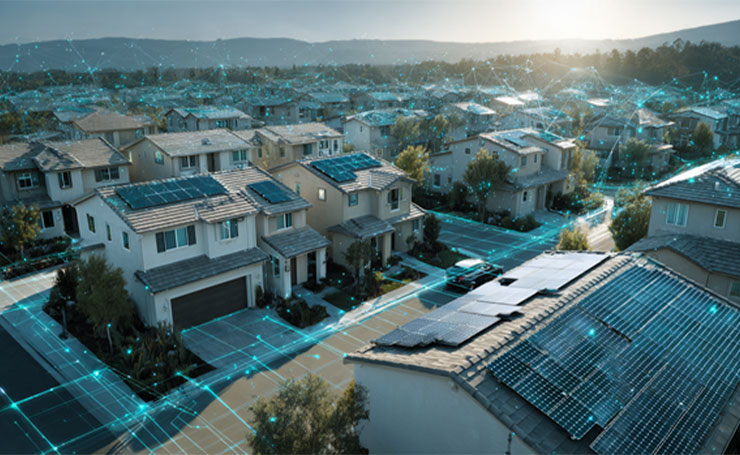
This financial advantage, along with the renewability factor, increases the potential and adaptability of the solar energy systems, providing the added incentives and stable infrastructure that lasts over two decades.
- Their payback system is between 5 and 7 years, after which the kilowatt-hour generated is pure profit in the form of avoided electricity bills.
- An average homeowner can save anywhere between $15000 and $30000 using solar energy.
So getting a solar energy system is not just a renewable energy transition, but an environmentally friendly and eco-smart decision as well.
Energy Independence: How Solar Power Reduces Grid Dependence
Having a solar energy system eliminates the dependency on the grid system, making the user more energy independent. This can be done by producing more energy that can be sent to the grid and used when you have a power outage, or install a battery storage system to use your own solar energy without having to depend on a grid-tiered system at all.

Having an energy-independent and renewable energy resource means that:
- Annually rising energy rates do not affect the households in regions with high utility costs.
- Getting immunity against the monopolies that determine the availability of electric energy and its pricing.
- Community solar programs enable renters to use this system to reduce their bills and get incentives, but they have to compromise on not having the rooftops to install a solar system.
Solar Renewable Energy Credits (SRECs) and How They Work
Solar Renewable Energy Credits (SRECs) help to increase the adoption of renewable energy.
One SREC equals one megawatt-hour of electricity generated by a solar system.
Some states provide this incentive, where the utilities buy these credits from the homeowners and pay them in return, increasing their income on top of the lower electricity bills.
Solar vs. Wind Power and Other Renewable Energy Sources
When it comes to its comparison with other renewable energy sources, solar energy wins by providing the least greenhouse gas emissions, a shorter energy payback period, and the availability of a community project.
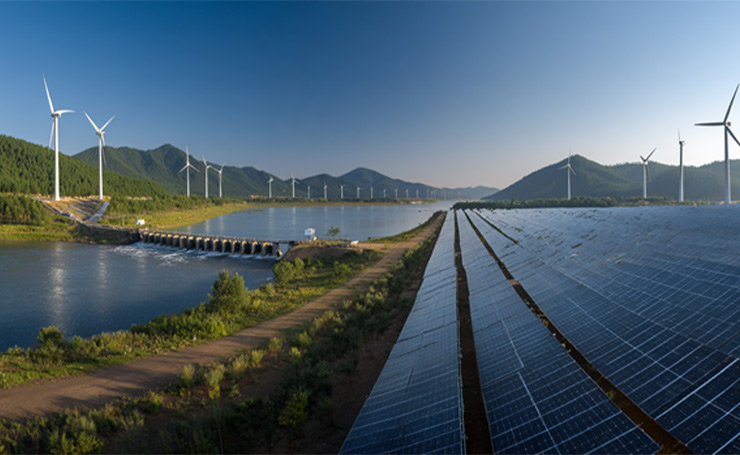
Below is a quick comparison between all renewable sources, showing how solar energy stands out as a renewable energy source.
| Renewable Energy Source | Manufacturing Greenhouse Gas Impact | Average Energy Payback Period | Community Project Availability |
| Solar Energy | Low and one-time emissions from panel production and installation | One to three years | Widely available through community solar projects for renters and households |
| Wind Power | Low emissions from turbine manufacturing | Two to five years | Limited community participation and location-dependent |
| Hydropower | Moderate emissions from large-scale construction | Five to ten years | Rare community ownership due to high infrastructure needs |
| Biomass | Continuous emissions from fuel processing | Variable and often longer | Limited and less accessible for shared community use |
Does Weather Affect Solar’s Status as a Renewable Resource?
A misconception around solar energy is that it is not effective in regions that get low sunlight, limiting its renewability.
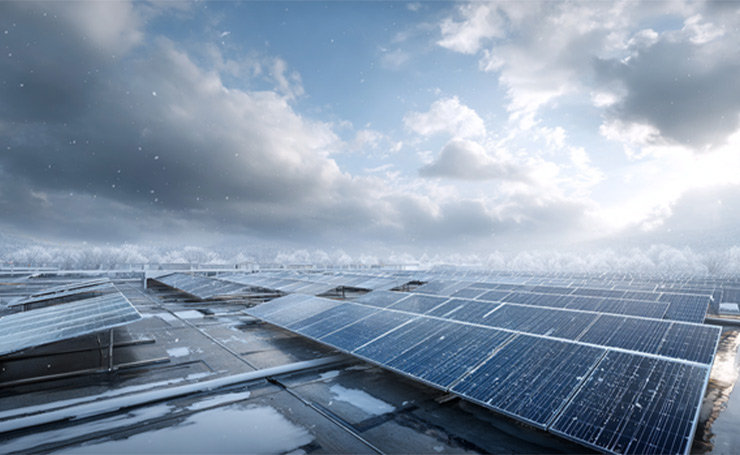
But the reality is different:
- Modern solar panels generate electricity even on heavily overcast days (90 to 100% cloud cover).
- In countries like Germany, where the sun rarely shines during the winter, solar systems generate significant renewable energy.
This weather resilience shows solar’s true renewable potential.
- Solar panels capture diffuse light that penetrates cloud cover and produce 10-25% of their rated capacity on cloudy days.
- Rain and snow melt can clean the solar panels, improving and boosting their efficiency.
- Modern panels can withstand wind speeds exceeding 120 mph and hail impact.
The renewable status of solar energy is weather-independent because the sun’s energy is infinite regardless of atmospheric conditions.
Final Remarks: The Future of Solar Energy and Why Renewable Adoption Matters Now
This blog provides the information that ensures that solar energy is not only renewable, but also the most efficient, economically and environmentally friendly renewable energy on earth.
While the non-renewable resources will deplete in centuries, solar energy is going to sustain for billions of years, making it the most accessible and viable renewable energy source for mankind.
Renewable status of solar energy comes with unlimited benefits:
- Energy independence from unstable utility grids.
- Substantial long-term financial savings.
- Meaningful climate change mitigation.
- Accessible renewable energy outsourcing with community solar programs and SREC mechanisms.
With climate change and rising energy demand amid the depletion of other non-renewable energy sources, solar energy is a proven, sustainable, renewable energy source and the transition we need for a stable, cost-effective energy system worldwide.
Frequently Asked Questions
Is solar energy truly renewable if solar panels wear out?
Yes, even the worn-out solar panels can harness solar energy and produce electricity and heat. Solar panels are said to be able to maintain 80-85% efficiency even after 25+ years, their carbon footprint can be repaid in two to three years, and 95% of the solar panel material can be recycled.
What makes solar renewable, while fossil fuels are not?
Fossil fuels take millions of years to form from the decayed organic materials and can be depleted faster and are not easy to replenish within the human timeframe, whereas solar energy replenishes on a daily basis and shall keep doing so for billions of years, making it a renewable, infinite source of energy.
Do solar panels produce greenhouse gases?
No, Solar panels produce zero greenhouse gases during operation, as after 2-3 years, solar power repays the manufacturing emissions through clean operation.
Can solar panels work on cloudy days?
Yes. Solar panels generate 10-25% capacity on cloudy days because diffused light from the sun can still trigger the photovoltaic effect. Solar energy can reach the earth through the clouds, igniting the photovoltaic reaction that proves that solar energy can be a renewable energy source in areas with low sunlight.
How do solar renewable energy credits expand clean energy access?
Solar renewable energy credits are tradable certificates earned when systems generate electricity. You earn 1 credit per MWh, selling for $200-400+. This incentivizes renewable energy adoption and makes community solar accessible to renters without rooftop space.
Is residential solar renewable in extreme weather areas?
Yes, solar energy can be a renewable and workable energy source in areas with extreme weather. Solar energy systems are able to withstand 120-plus mph winds and hail. In regions with snow, the solar efficiency gets boosted when the snow reflects the sunlight, and it automatically cleans the panels upon melting too.
What makes community solar a renewable energy solution for renters?
Renters can use the community solar systems without having to install panels and also get credits on their electricity bills, making this green energy affordable and accessible for those with no space for individual solar system installation.
