

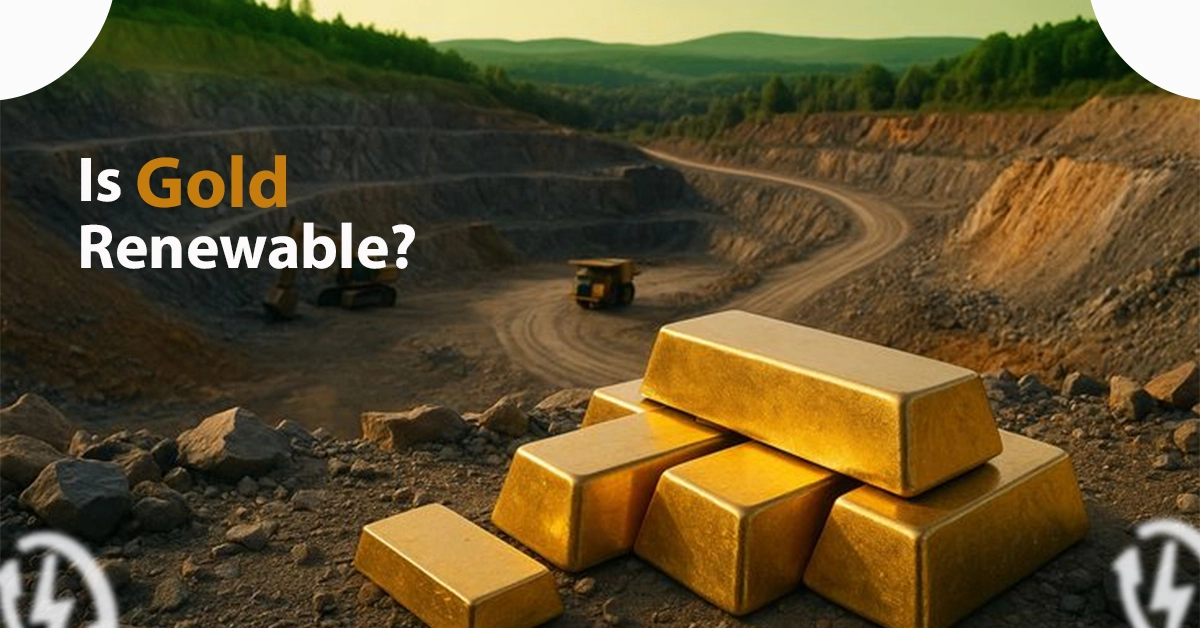
Gold, a symbol of beauty and wealth, has always had a special place in human history. From ancient civilizations to modern investment systems, gold is valued for its rarity and durability. It is used to create stunning jewelry pieces, in electronics, and even in medicine.
With so much dependence on this mineral, it is natural to ask: Is gold renewable, or will we run out of it at one point? To understand the answer, we need to see how gold forms, how it is mined, and if it can be replenished.
In this guide, we will walk you through these aspects in detail and tell you where gold stands as a natural resource and what its role is in our environment, economy, and future.
30-Second Summary
Gold is a precious metal that has been used in many items for centuries. But is gold renewable, or can it end after a specific time period? Discover the answer in this guide.
Learn about why gold is nonrenewable, how it is formed, and where it comes from. Moreover, explore the methods of gold formation in the Earth’s crust, the process of gold mining, its impact on the environment, and the role of recycled gold.
What does Renewable Mean?
All natural resources are divided into two main categories: renewable vs nonrenewable.
| Renewable Resources | Nonrenewable Resources |
| Can be replaced naturally in a short time | Form over millions or billions of years |
| Examples: wind, sunlight, water, crops | Examples: coal, oil, natural gas, metals like gold |
A renewable energy source replenishes itself quickly to keep up with the usage. For instance, sunlight and wind are constantly replenished through natural forces.
On the other hand, nonrenewable resources are present in limited supply. Once used completely, they cannot be replaced in a human lifestyle or even for thousands of lifetimes.
So, where does gold fall?
Is Gold a Renewable or Nonrenewable Resource?
The answer is simple: gold is nonrenewable. It cannot regenerate or form faster to be replaced once it is fully extracted. There is a fixed amount of this resource in the Earth’s crust, and it keeps decreasing with more mining.
Although gold can be recycled, it exists in limited quantity, which makes it one of the finite natural resources.
Why Gold is Nonrenewable
There are plenty of factors that make gold a nonrenewable resource.
- It takes billions of years to form deep in space (not on Earth).
- The Earth does not produce new amounts of gold.
- The amount present is limited and gradually decreases with time.
The gold’s scarcity makes it truly valuable.
How Gold is Formed in Nature
The appeal of gold is due to the combination of its rarity and the unique properties it possesses. The fact is that this element is not produced on Earth at all; it arrived on our planet from outer space.
To understand why it is nonrenewable, we need to understand its origin.
Where Gold Comes From
The origin of gold is fascinating. This metal was made from a process known as supernova nucleosynthesis. This happens when a star explodes and creates different elements, including gold.
After the explosion, these newly formed gold atoms were cast into space and became a part of gas and dust clouds that were responsible for creating new stars and planetary systems.

During the early days of our solar system, the gold atoms were incorporated into the raw materials that formed planets, including our Earth. Some scientists also believe that gold came to our planet through meteorite bombardment during its early years.
In short, the formation of gold took place long before our planet existed. It comes from deep space and goes through a long geological process to become the shiny metal we know.
How Gold is Made on Earth
On Earth, it took millions of years for the gold to evolve into deposits.
Hydrothermal Activities
One of the ways gold is formed on Earth is through hydrothermal activities. What happens is that hot fluids that have dissolved minerals, including gold, rise from the Earth’s mantle.
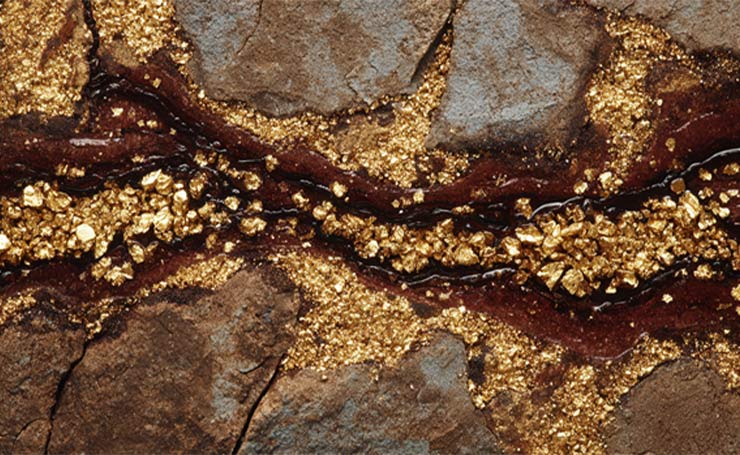
As these fluids make their way through cracks and fissures, they face cooler conditions. This causes minerals, including gold, to crystallize and accumulate over time.
Magmatic Processes
Another process that results in gold formation is magmatic activity. Magma (or molten rock) carries liquefied minerals, including gold, when it rises towards Earth’s surface.
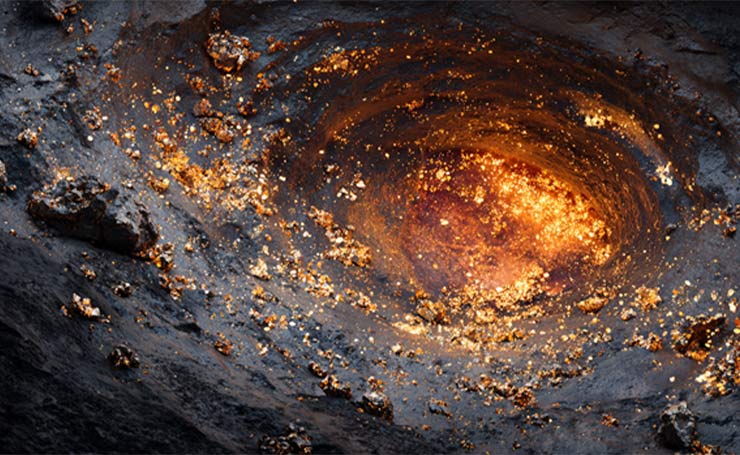
As magma cools down and solidifies, these metals also crystallize and form deposits of minerals with gold in the surrounding rocks.
Where Gold Comes From Today
Today, gold is obtained through two methods.
Gold Mining
This is the primary method of obtaining gold. Miners extract gold from
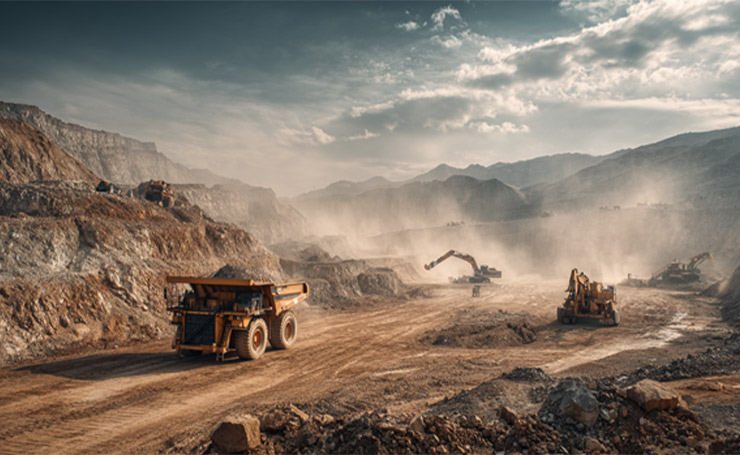
- Open-pit mines
- Underground rock deposits
- Alluvial river sediment
However, easily accessible gold has already been mined, which means
- Miners have to dig deeper to extract gold
- More energy and land are required
- Costs keep increasing with time
Recycled Gold
This method includes recovering gold from
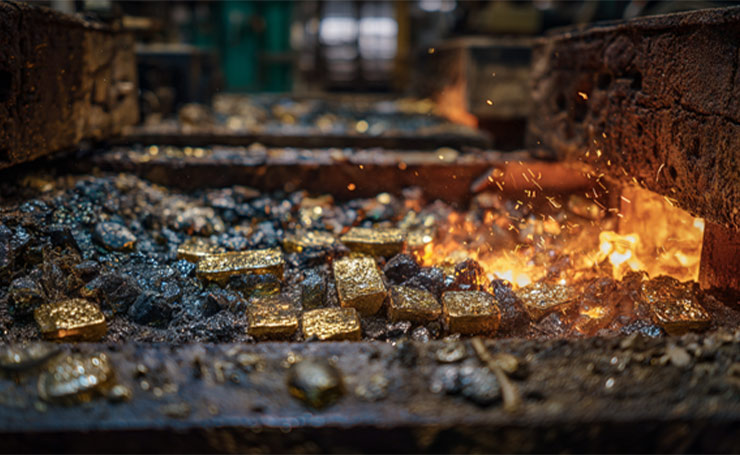
- Old jewelry
- Industrial scraps
- Electronic waste (such as smartphones and circuit boards)
Recycling does not make new gold; however, it increases the life of gold that is already in circulation.
Gold Mining Process Explained
Before extracting gold, exploration and development take place. They determine the accurate size of the deposit and how to extract and process the ore safely. It can take around 10 to 20 years after a deposit is found before a gold mine is ready to produce metal that can be refined.
Exploration: 1 to 10 years
Gold mining is challenging and requires significant time, financial resources, and expertise in different disciplines, like geology, engineering, chemistry, and geography.
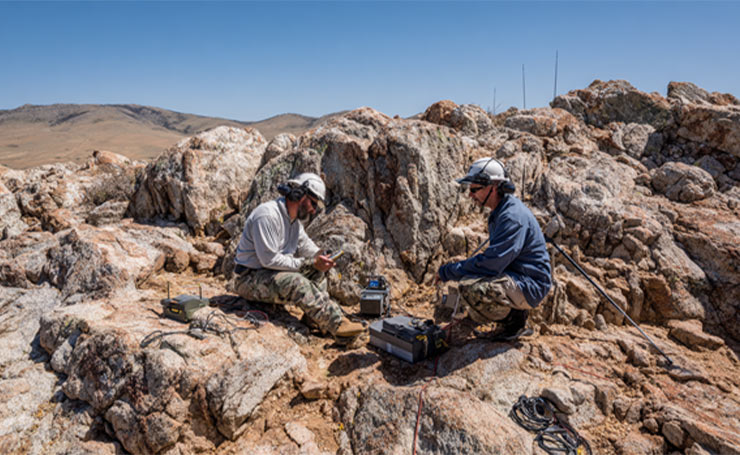
The likelihood of discovering a mine is extremely low. Less than 0.1% of explored sites can lead to a productive gold mine. Moreover, only 10% of global deposits have enough gold to proceed with further development.
After experts understand the basic facts of the site and deposit, they create a detailed map and model of where the gold ore is located.
Development: 1 to 5 years
Development is the next step in gold mining. It includes planning and constructing the mine and associated infrastructure. Mining companies need proper licenses and permits before they can begin construction.

Construction is not limited only to the mine. It also extends to local infrastructure and amenities to support both operational and logistical needs, as well as the community and employees.
Operation: 10 to 30 years
This stage represents the productive life of a gold mine, during which the ore is extracted and developed into gold. Processing gold involves changing ore and rock into a more pure metallic alloy, known as doré. It contains 60 to 90% of gold.
Things like the price of gold and the cost of mining keep changing over the life of a gold mine. When the prices are higher, even low-grade ore is profitable, as the higher price makes up for the extra work and cost needed to process the material.
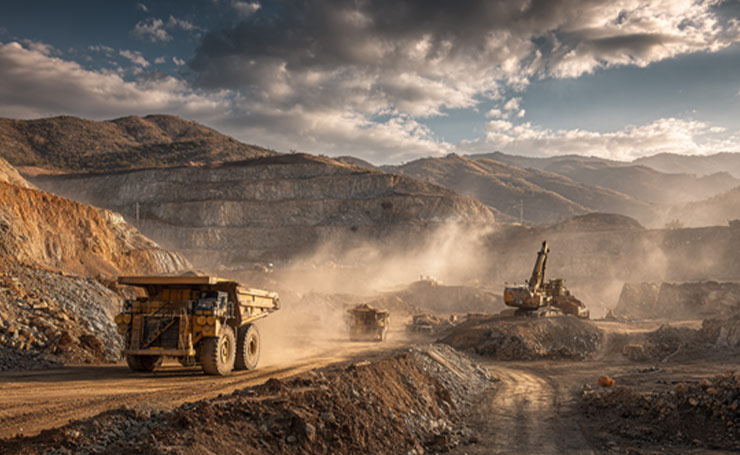
But when the price of gold drops or the cost of mining increases, extracting only high-grade ore is profitable. This means that mine plans are constantly being reviewed and changed based on market conditions, geological information, and improvements in mining methods.
Closure and Decommissioning: 1 to 5 years
After the operation ends in a mine, whether because of an exhausted ore body or the remaining deposit being unprofitable, the company focuses on dismantling and rehabilitating the land.
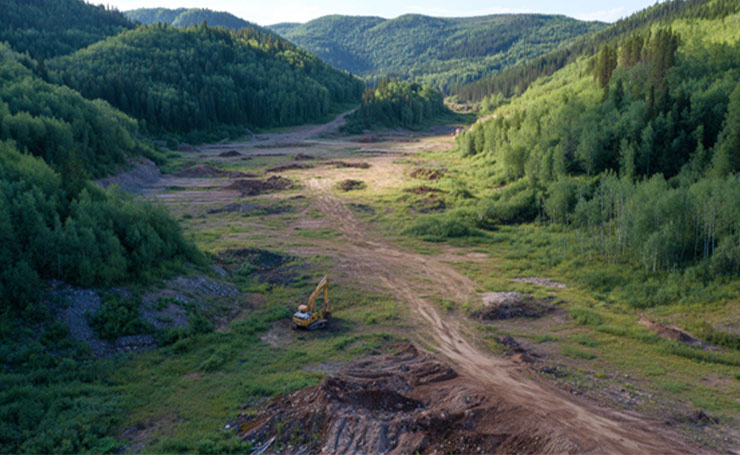
Gold mine closure is also complex. The mining company needs to monitor the mine site for a long time after it is closed.
Post-closure
The gold mine company takes the responsibility of managing the mine after its closure for a period of 5 to 10 years or more. During this time, the land gets cleansed and revegetated.
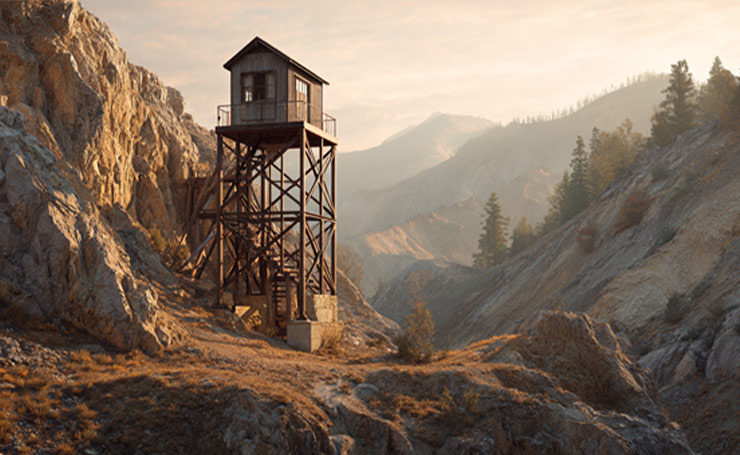
The company ensures that land returns to long-term environmental stability and is successfully rehabilitated.
Environmental Impact of Gold Mining
Gold mining leaves a significant environmental footprint.
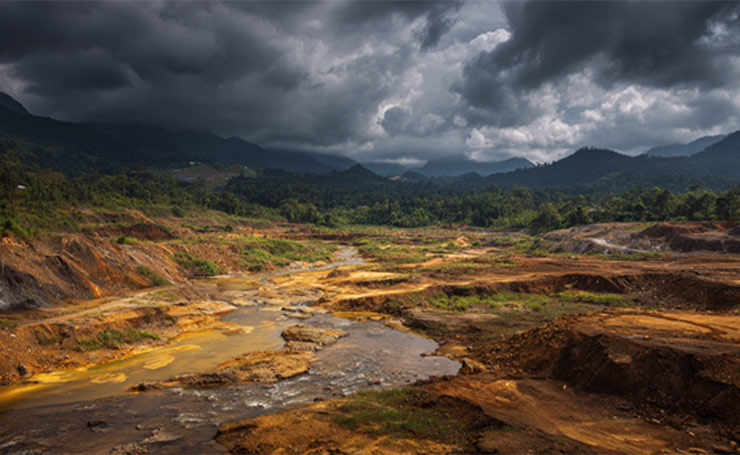
- Deforestation: Large areas of land are cleared to get access to ore deposits.
- Water Pollution: Chemicals like cyanide can leak into underground water and rivers.
- Soil Erosion: Removing the top layers of Earth can destabilize landscapes.
- Air Pollution: The equipment used for mining and refining emits greenhouse gases.
- Toxic Waste: Tailings (leftover chemicals and rock) remain hazardous for decades.
These issues are a question mark on the sustainability of gold mining.
The Role of Recycling in Gold Sustainability
Gold can be sustainable, as it is recycled heavily.
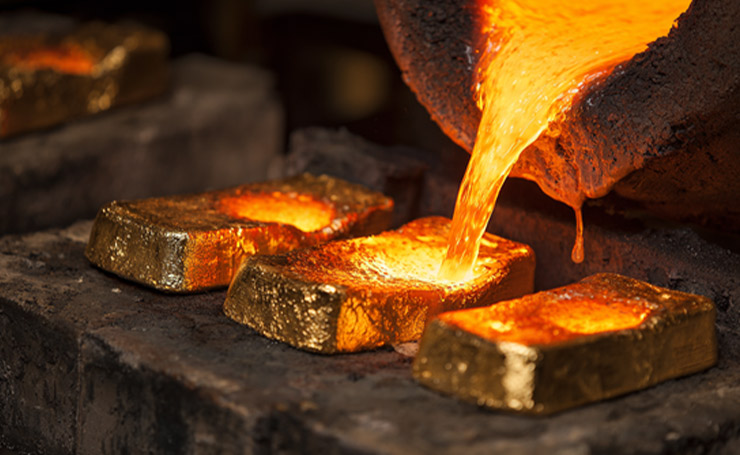
How Gold is Recycled
- The old items made of gold are collected.
- They are melted down.
- Any impurities are removed through refining.
- The gold becomes usable again for jewelry, industry, and investment products.
Benefits of Recycling Gold
- It reduces the need for new mining.
- It uses less energy than extracting gold deposits.
- It results in significantly less pollution.
- It helps maintain the gold supply even if reserves run low.
The recycled gold process ensures long-term availability of gold and aligns more with environmentally friendly practices.
Will We Ever Run Out of Gold?
As established in the beginning, gold is a nonrenewable resource. So, gold supply limitations will result in a decline of reserves.
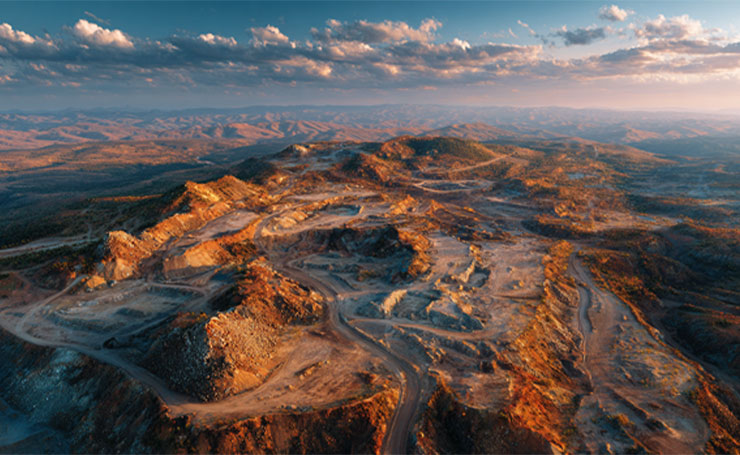
However, the run-out rate depends on the following factors.
- Remaining underground deposits
- How much mining has been done
- Advancement in extraction technology
- Recycling efforts
While it is unlikely to run out of gold suddenly, the new discoveries are becoming rarer. The estimated 197,576 metric tons of gold in global reserves shows the rarity and enduring value of this metal.
Wrapping It Up
So, is gold renewable? The answer is a resounding no. The process of its formation (cosmic explosions) and its limited supply on Earth highlight that it is a finite mineral. Once it is all mined and extracted, it will not be replaced for thousands of human lifetimes.
Interested in learning more about sustainable practices? Go to Green Energy Insights for more detailed blogs.
FAQs
Is Gold a Renewable or Nonrenewable Resource?
Gold is a nonrenewable resource as it formed billions of years ago in outer space. The reserves on Earth are limited and cannot be replenished in a human lifetime.
How can Recycled Gold help in Maintaining Sustainability?
Recycling gold decreases the need for new mining, lowers carbon emissions, and supports a sustainable gold supply by reusing gold already in circulation.
How does Gold Mining Impact the Environment?
Gold mining can be a cause of soil erosion, water pollution, deforestation, high carbon emissions, and toxic chemical waste. Due to these issues, environmental responsibility becomes extremely crucial.
