

Solar panels are a worthwhile investment for many homeowners because of the extensive benefits. Imagine opening your electricity bill and seeing a fraction of your previous 3-digit charge.
This is the reality of all those people who have solar panels installed. However, it might not be the best fit for some people. So, are solar panels worth it for you, too? Find out in this detailed guide.
30-Second Summary
- Solar panel installation is worth it for many homeowners, as long-term savings and a boost in property value outweigh the initial upfront cost.
- The pros of the solar system outweigh the cons. Significant monthly savings make it worthwhile for most people.
- It is not worth it for everyone, including those who do not have enough space for the panels, do not use a lot of electricity, and those who plan to sell their property in a few years.
How Solar Panels Work?
Before understanding costs and savings, let’s recap a little. Solar panels have photovoltaic cells that transform solar energy into electric energy.
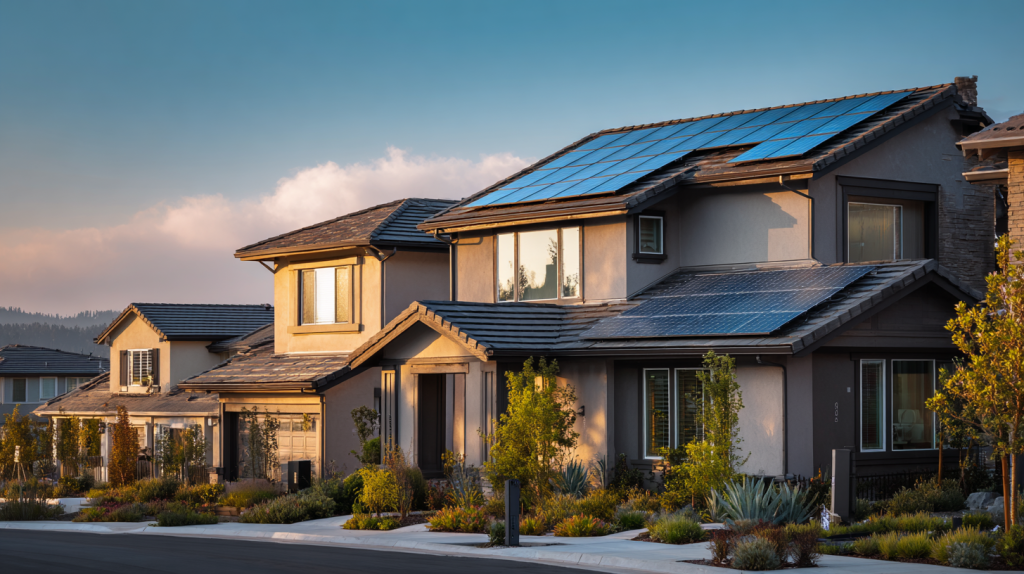
When sunlight hits the panels, it generates direct current (DC). It is then changed into alternating current (AC) that your home uses.
If the energy is produced in excess, it is supplied back to the grid through net metering. It allows you to earn credits on your utility bills.
Understanding Solar Panel Installation Cost
One of the biggest concerns of homeowners is the cost of solar panels.
- On average, a US residential solar panel system (around 6 to 11 kW) ranges from $13,000 to $40,000 before tax credits and incentives.
- The price depends on system size, panel type, permits, labor, and your roof’s design.
- Some homeowners also need to repair their roofs before installation, which also adds to the initial cost.
These are mostly paid up front and financed through solar loans or rolled into your mortgage. Many systems today are sized to meet the majority of the household’s electricity needs.
Factors that Affect Whether Solar is Worth It
Here are some factors every homeowner should consider to see if solar panel installation is worth it for them.
Electricity Rates
People who live in areas with high electricity costs can benefit more from solar panels’ long-term savings than those who live in areas with cheap utility rates.
Electricity Usage
Solar panels are particularly worth it for homeowners who have high energy consumption. They can see significant financial benefits from installing a solar system.
Solar Panel Costs and Budget
The average cost of a solar power system is higher if your house uses more electricity. Even with different financing options like leases, loans, and power purchase agreements, consider if your budget can take on solar panel installation.
Solar Rebates and Incentives
Some states and utility providers give incentives and rebates that reduce the upfront cost of a solar system or provide some savings on solar power generation.
The solar tax credit can lower the system price by 30% through a credit on your income taxes. You can even qualify for property tax exemptions.
Local Net Metering Policy
You can save the most money if your utility offers net metering. Net metering lets homeowners earn bill credits at the same rate they pay for electricity. They can sometimes completely eliminate monthly utility energy costs.
Location and Environment
Solar panels work best in places wth lots of sunlight and cool temperatures. Solar systems in cloudy areas may produce less energy, but they still reduce electricity costs.
Roof Design
Residential solar panels should be installed on south-facing roofs that do not get shaded by trees or other tall buildings. They also should not have obstructions like chimneys and skylights.
How Solar Panels Reduce Your Electricity Bills
The main financial benefit a solar system provides is reducing electricity bills.
Electricity Bill Savings
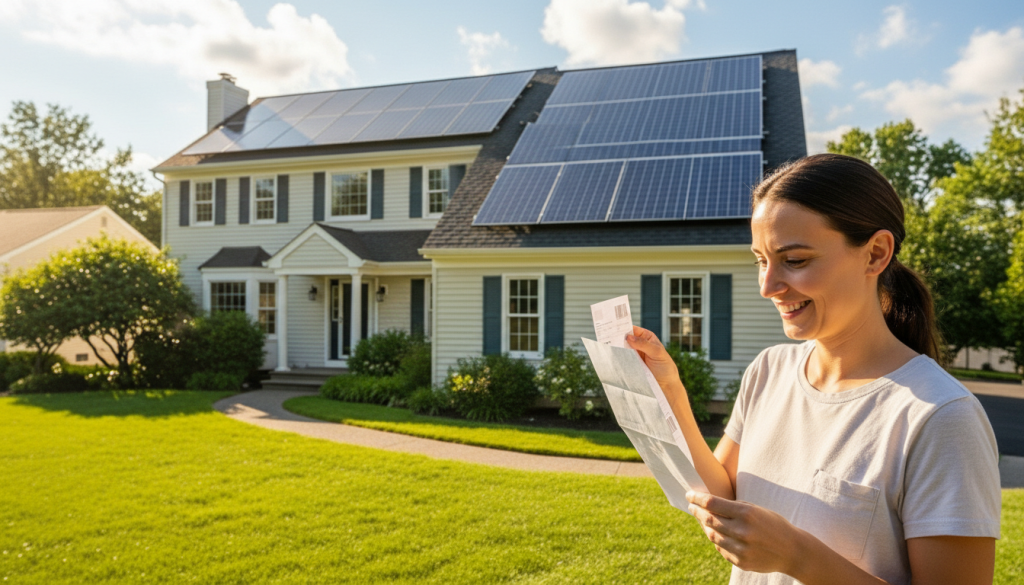
Once your system gets operational, it gets free electricity from the sun. Depending on your house’s needs, you can reduce your monthly bills significantly, sometimes close to $0, with full offset systems.
Net Metering
Net metering credits your bill for sending excess electricity back to the grid. It speeds up savings and shortens your payback period.
Long Term Savings
Solar systems have a lifespan of approximately 25 years, and in this time, they can save homeowners tens of thousands of dollars on energy bills. The average savings estimate in the US exceeds $50,000 over 25 years.
Solar Panel Return on Investment (ROI) and Payback Period
Two metrics you should focus on are ROI and payback period.

Solar Panel Payback Period
The payback period is the amount of time it takes for your savings to reach the amount you spent upfront. Across the US, the typical payback period is 6 to 10 years.
Though in some houses located in sunny areas or with high electricity costs, it can be 4 to 6 years. After this time, all the savings are essentially your profit.
Solar Panel Return on Investment (ROI)
ROI measures the yearly financial return compared to what you spent. The average solar panel ROI in the US is about 10%. It means that you earn around $10 on every $100 invested throughout the lifespan of the system.
These figures vary widely based on local utility rates, sunlight exposure, incentives, financing, and how long you plan to stay at your home.
Solar Panels Pros and Cons
Here are the primary advantages and disadvantages of solar energy you should know before deciding if it’s right for you.
Pros
Here are the top residential solar panels benefits.
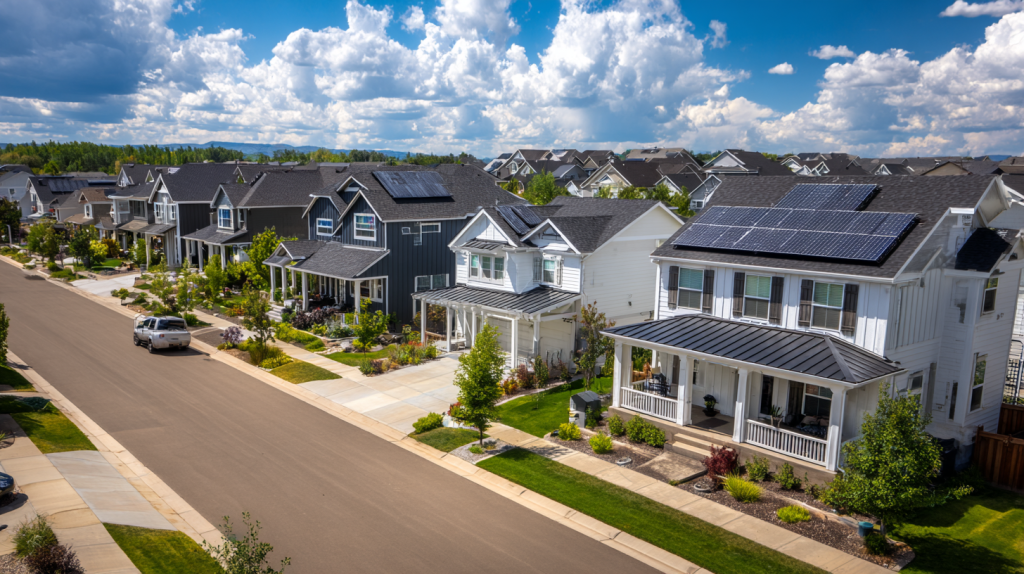
Reduces Electricity Bills
Installing solar panels at your home means that you generate your own electricity. It makes you less reliant on utility companies and even reduces your monthly bills.
Increases Home Value
According to a study by SolarInsure, solar panel installation increases your home’s value by 5 to 10%. Even if you do not plan to live in the house forever, you can earn back the solar panel investment and even more when you sell it.
Reduces Carbon Emissions
Solar power is a renewable energy source. It is not a cause of carbon dioxide and other greenhouse gas emissions. When you go solar, you reduce your carbon footprint significantly.
Protects against Rising Energy Costs
Going solar protects you from skyrocketing electricity rates from your utility company. Once you get back the initial cost in bill savings, you will generate electricity for free, safeguarding yourself from future rate increases.
Low-Maintenance
When you choose a reputable solar company to install your panels, it usually requires very little after-maintenance. Panels are unmovable and only need cleaning from time to time.
Cons
Take a look at the disadvantages of solar panels.
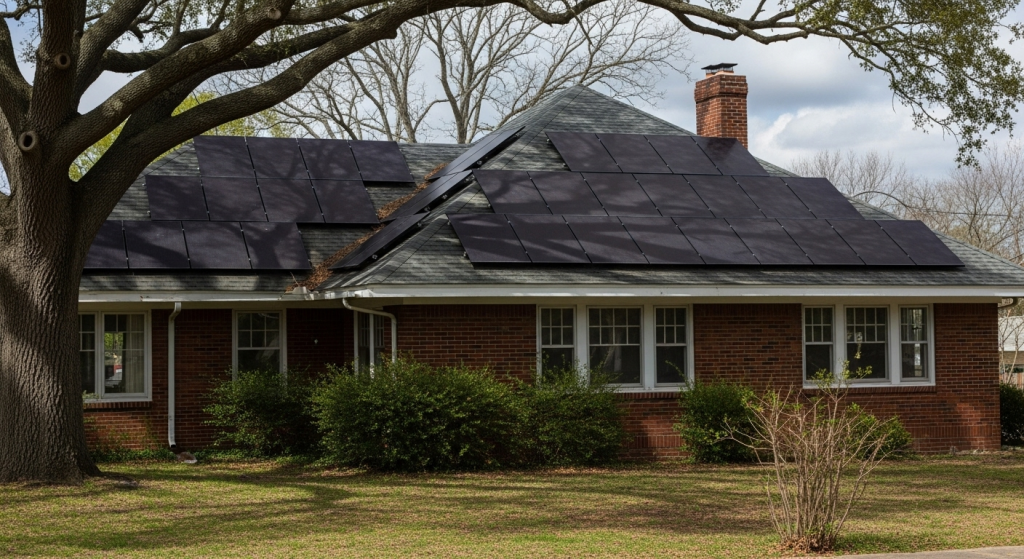
Not for Every Roof
A south-facing roof with a slope between 15 and 40 degrees is best for solar installation. Even an east or west-facing or a flat roof is also worth it. But if you can install panels only on the north side of your roof, then we do not recommend it.
Also, some historical roofs have materials, like slate or cedar tiles. They make solar installation challenging. Some homeowners have roof decks or skylights, which also make the installation process difficult and expensive.
Not Suitable if You are Moving Soon
The payback period of solar panels is around 10.5 years in the US. It takes time to get back on your investment. Though a solar system increases your home value, it is not worth it if you plan to change houses in the next few years.
Low Bills Mean Low Savings
The benefit that makes solar power installation worthwhile is that you save money every month. But if you live in a state where electricity is lower than the national average, it will take you longer to save with solar.
Needs Significant Upfront Investment
As discussed above, solar needs a significant upfront investment. It depends on available incentives and your financing approach.
An average system costs around $29,649 before investments. If you do not qualify for a solar loan, you will either need cash or an alternative financing option.
Requires Proper Disposal
Most modern solar panels are made of a metal frame, a glass sheet, and silicon solar cells. However, some manufacturers also include heavy metals, like lead, silver, and cadmium.
These metals need proper disposal after the panels’ lifespan ends. You can ask your manufacturer to include sustainable models in your quote without these metals. These might cost you more, but are better for you and the environment in the long run.
Are Solar Panels Worth It? Final Verdict
Installing solar panels is worth the cost for many homeowners who have eligible properties. It reduces carbon footprint and saves significant amounts on electricity bills.
Before taking any decision, weigh solar panels’ cost vs savings, their pros and cons, your roof, geography, climate, and other needs.
For the right people, it is one of the best investments in their property. The value compounds over the years. Each month, when you generate clean energy, you protect yourself from rising utility rates.
For more in-depth guides about sustainable energy, feel free to visit Green Energy Insights.
FAQs
Are Solar Panels worth it in the US without federal tax credits?
Without federal tax credits, a solar system is still a valuable investment, especially when you get high electricity bills, and your house gets plenty of sunlight. However, the time period to break even can be longer. Net metering, state rebates, and local incentives help reduce the cost.
Will Solar Panels increase my House’s Resale Value?
Yes, homes with solar panels installed sell for more than those without them. Buyers value lower electricity costs and the environmental benefits, which increase overall property value.
Do Solar Panels save Money on Electricity Costs every Month?
Yes, solar panels play a significant role in electricity bill savings by generating free electricity from sunlight. The figure depends on your local electricity rates and system size.
