

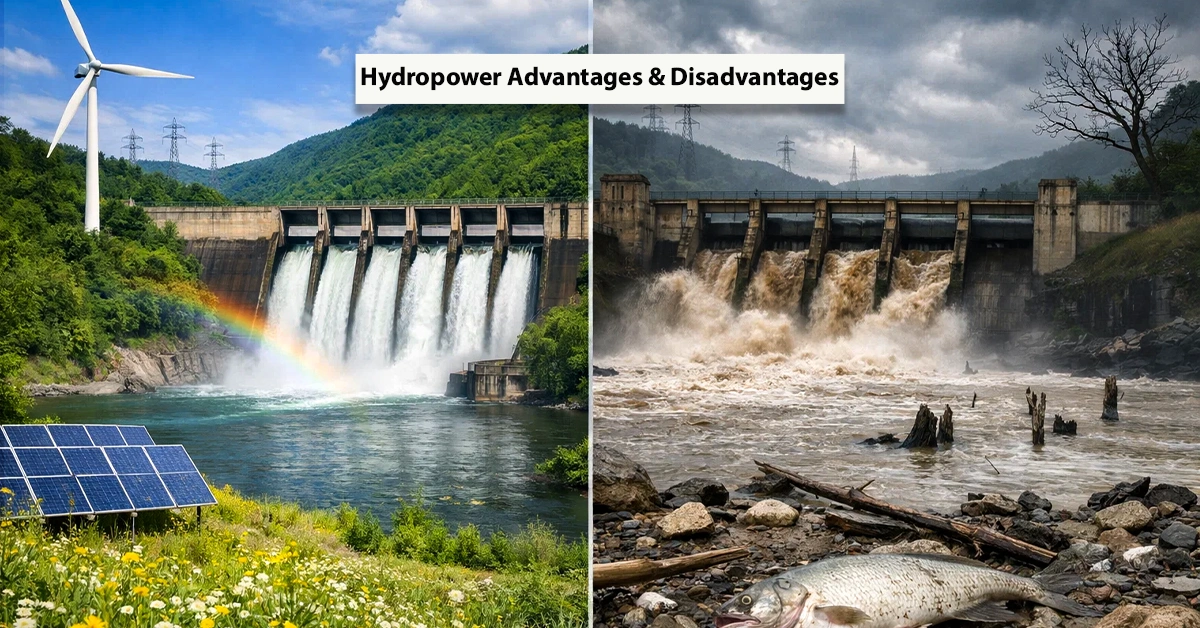
20-Second Summary
Hydropower is the world’s largest source of renewable energy that comes with zero operational emissions, exceptional storage capabilities, and a 90 percent capacity factor, which is not found in other renewable energy sources.
These highly effective and affordable energy solutions have minimal maintenance costs and can be functional for 50 to 100 years. But this does not mean that it does not have any disadvantages.
Hydropower plants have a massive upfront installation cost, come with geographical limitations, and also impact the environment by affecting the aquatic habitat and fish migration, with a high emerging threat of water demand competition from industries like agriculture, AI data centers, and other industries.
In this comprehensive blog, we will cover all the advantages and disadvantages of hydropower that are impacting it and the environment due to it.
The Amazing Advantages of Hydropower
Hydropower and Zero Pollution
Hydropower plants do not produce any pollution when they produce electricity. Let me explain why, and it’s actually pretty cool.
This is not the case when we burn fossil fuels like coal or natural gas. When we burn them to get energy or electricity, we are literally contributing to climate change by releasing harmful gases like methane and carbon dioxide into the air.
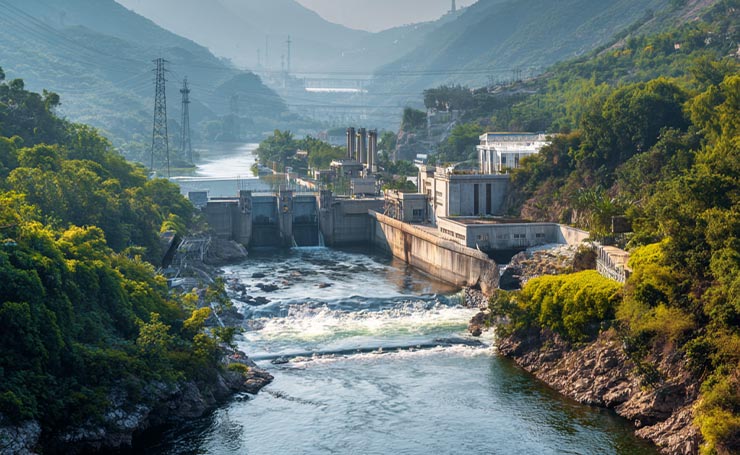
But with hydropower, water flows down from an elevation due to gravity, creating an energy pull on turbine wheels connected to a generator that creates electricity without carbon and methane release.
One hydropower plant in Norway produces the same amount of electricity as a coal plant, but avoids roughly 2 million tons of carbon dioxide every single year. That’s like taking 400,000 cars off the road.
Hence, hydropower produces zero operational emissions, with the plus point of the hydropower plants running for 50 to 100 years straight, avoiding pollution and climate change.
The Reliability Superpower: Hydropower Works 24/7/365
The capacity to work all the time makes hydropower unique among other renewable sources of energy.
The capacity factor basically tells: how often does this power plant actually produce electricity?
- Solar panels: Only work when the sun is shining. Maybe 25-30% of the time.
- Wind turbines: Only work when the wind is blowing. Maybe 35-45% of the time.
- Hydropower: Water is flowing (usually) 90% of the time or more.
To understand this easily, we can say:
If you have a hydropower plant that could produce 100 megawatts of electricity, it actually produces around 90 megawatts on average. If you have a solar farm that could produce 100 megawatts, it produces only 25-30 megawatts on average.
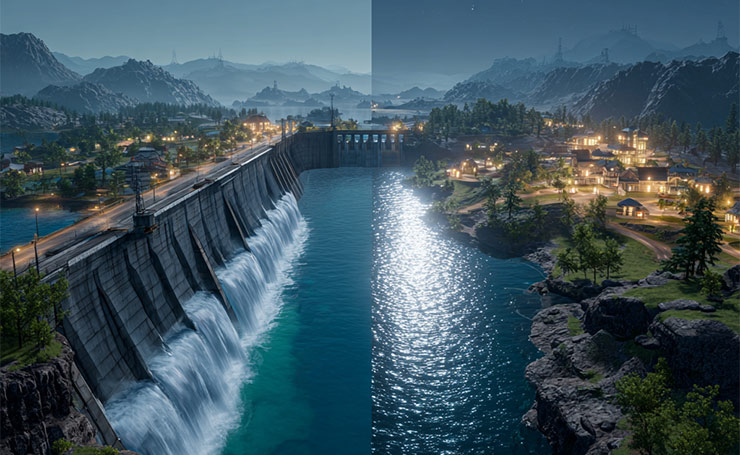
In Iceland, 73% of electricity is generated from hydropower. They have reliable power all day, all night. Due to this reliability, hydropower is known as the “baseload power” because it provides constant power whether it is day or night.
The Hidden Superpower: Hydropower Stores Energy Like a Giant Battery
Hydropower uses the peak shaving technology. This means that the plants can store the water in the reservoirs in the lakes behind the dams at an elevated point. These reservoirs are literally storing the energy.
The water sitting up high has potential energy, which is always ready to produce electricity whenever you need it.
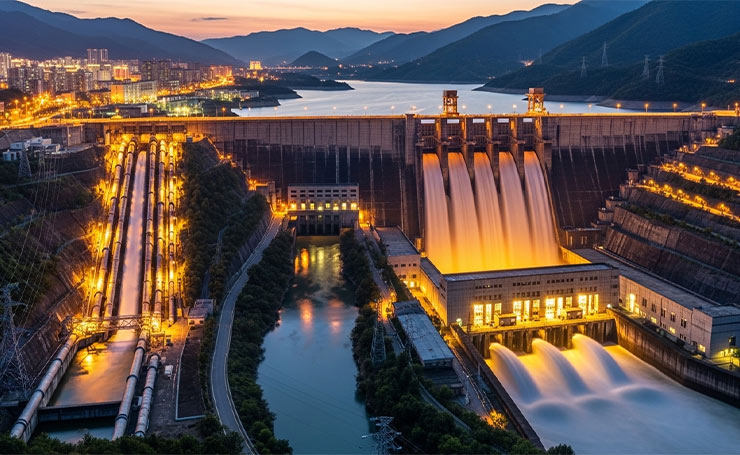
When a city needs extra electricity on a hot summer afternoon, the hydropower plant can release water and produce extra power within minutes. When demand drops at midnight, you stop releasing water.
Let’s take a real-world example of this, where during the 2020 California heat wave, hydropower from the Hoover Dam helped prevent blackouts by ramping up production in hours when solar couldn’t (because it was 11 PM). Fossil fuel plants take 4-6 hours to start up. Hydropower did it in 15 minutes.
Pumped storage hydropower also exists where two water reservoirs are used, with both at different heights. When electricity is in demand at night, you pump water UP from the lower lake to the upper lake, storing energy. When electricity is in demand during the day or in the afternoon, you let it flow down and generate power. This is basically the best large-scale energy storage we have right now. Better than most batteries.
The Money Part: Hydropower Costs Less Over Time Than You Think
Although building a hydropower plant takes a billion-dollar level of money in upfront costs, you only pay that cost once.
A 10-megawatt hydropower plant in the United States costs roughly $30-50 million to build. But that plant then produces electricity for 50-100 years. That’s 50-100 years of power.
And the annual maintenance cost is only 1-4% of the original cost. Which is basically nothing.
When you calculate the Levelized Cost of Electricity (total cost divided by years of operation), hydropower comes out to roughly $0.02 to $0.19 per kilowatt-hour. That’s incredibly cheap compared to fossil fuels.
The Bonus Gifts: More Than Just Electricity
Hydropower provides benefits that go way beyond just making electricity.
- The dam holds back the water, preventing floods that destroy homes and farm land. During the 2019 India monsoon season, dams prevented floods that would have cost billions.
- Cities draw drinking water from reservoirs. Farmers use it for irrigation. That water supply reliability is worth billions annually, but never shows up on an electricity bill.
- Hydropower reservoirs become lakes. People fish, boat, and swim. This becomes a tourism part.
- Controlled water flow from dams means farmers can reliably irrigate their crops.
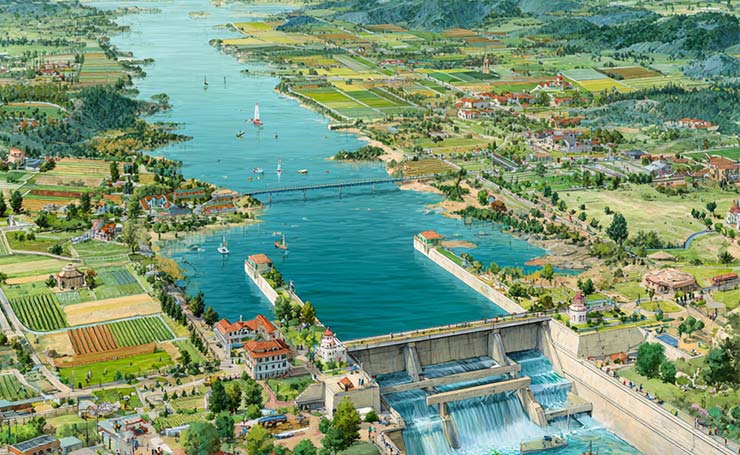
These benefits are real and valuable, and they are not really talked about a lot. Looking at them and considering them in the hydropower economics, the hydropower becomes way cheaper than the numbers suggest.
The Real Disadvantages of Hydropower: Because Nothing’s Perfect
Although there are too many advantages of hydropower as the largest electricity-producing resource, there are some drawbacks as well that have been highlighted below:
The Massive Upfront Cost: Why Hydropower Is So Expensive to Start
Hydropower requires absolutely enormous amounts of money to build.
- Smaller projects: $1,300-$8,000 per kilowatt of capacity.
- Larger projects: $1,050-$7,650 per kilowatt.
What does that mean in real dollars?
- A 10-megawatt hydropower project = $10.5 million to $76.5 million just to build it.
- A 100-megawatt hydropower project = $105 million to $765 million.
The Three Gorges Dam in China cost over $26 billion. And it took 13 years to build them.
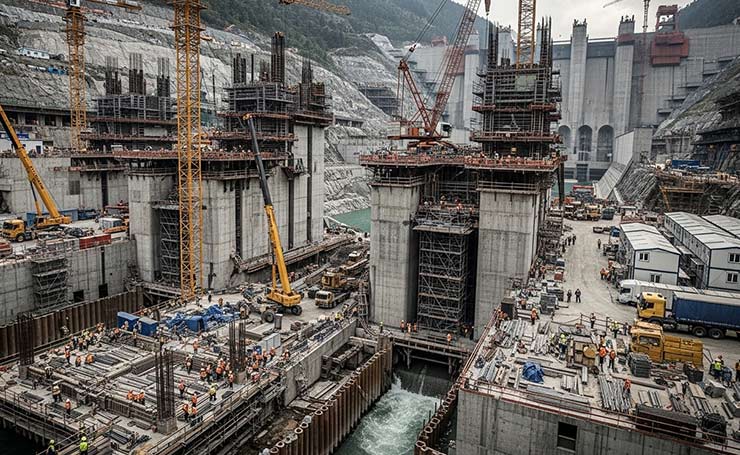
Money is the real challenge when it comes to building hydropower projects in developing countries, because not every country will be having $100 million to invest in a single hydropower project. This makes the expansion of hydropower plants slow.
Geography: You Can’t Build Hydropower Everywhere (And That’s a Big Problem)
You need two things to build a hydropower plant:
- Lots of water flow (a river with reliable water)
- Elevation drop (hills or mountains so gravity can do its job)
This is why hydropower cannot exist everywhere. No elevation? No hydropower.
You can’t build a hydropower plant in Kansas because there are no mountains. The water flow might be there, but without the height, you can’t generate much power.
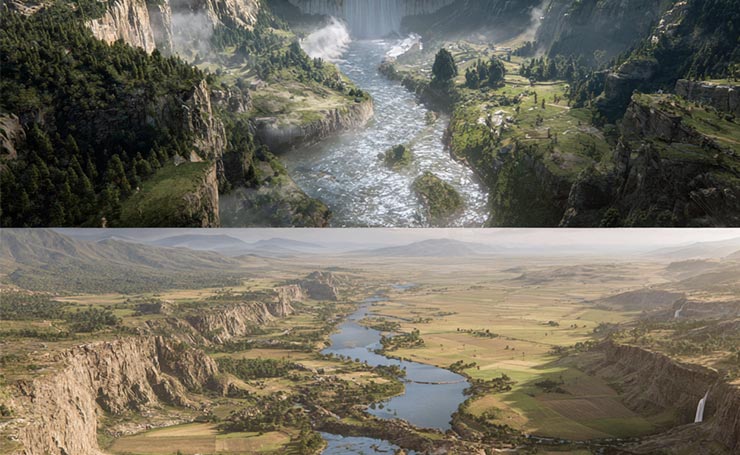
This is called “geographic limitations,” and it’s a fundamental constraint. You can’t engineer your way around it. You either have the geography, or you don’t.
Hydropower expansion is slowing in Europe and North America due to the unavailability of good locations.
Environmental Impact: The Ecosystem Cost of Dams
Yes, we said that hydropower can save from floods, but at the same time, building a dam also floods valleys. That means:
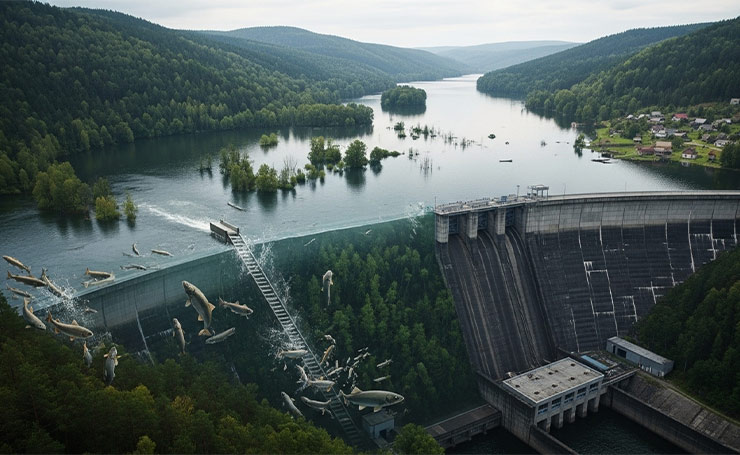
Fish Migration Disaster
- Salmon, shad, and other fish need to swim upstream to reproduce. A dam blocks them like a wall.
- Fish ladders help some, but they’re not perfect.
- Some fish species have basically disappeared from rivers because of dams. The Pacific Northwest salmon population dropped 90%, partly due to dam barriers.
Habitat loss
- You’re flooding an entire valley. All the forests, grasslands, and wildlife that lived there have to be gone.
- The Kariba Dam in Africa displaced 50,000 people and destroyed massive ecosystems.
Sediment Trapping
- Rivers naturally carry sediment (tiny particles of rock and soil). This sediment travels downstream and fertilizes farmland and deltas.
- When a dam stops the river, sediment piles up behind the dam instead of flowing downstream.
- As a result, the farmland downstream loses nutrients, river deltas erode, and topsoil disappears.
- The Nile Delta in Egypt is shrinking because the Aswan Dam traps all the sediment upstream.
Water Temperature Changes
Natural rivers have seasonal temperature variation.
- Dam releases are often cold water from the bottom of the reservoir.
- Coldwater fish struggle to survive in new conditions.
- And cold water holds less dissolved oxygen, which fish need to breathe.
- Some rivers have had their ecosystems permanently altered due to the presence of the hydropower plants, creating a significant environmental impact.
The Methane Surprise: Dams Can Create Greenhouse Gases
Some hydropower reservoirs actually create greenhouse gases.
- When you flood a valley and create a reservoir, all that dead organic matter (trees, plants, soil) at the bottom starts to decay underwater.
- Decaying organic matter creates methane, which is a greenhouse gas even worse than carbon dioxide.
- Methane is roughly 80 times more potent than CO2 for trapping heat.
- This becomes worse with hydropower projects in the tropical regions with warm water and lots of vegetation. The Belo Monte Dam in Brazil showed a 3x increase in methane emissions in its first couple of years of operation.
- Hydropower’s methane emissions are still way lower than fossil fuels overall. A coal plant produces carbon pollution every single day. A dam produces methane mainly in the first 5-10 years, then it decreases. But it’s a real issue we can’t ignore.
The Timeline Problem: Dams Take Forever to Build
Building a hydropower plant is slow.
Real timeline:
- Years 0-2: Feasibility studies and planning
- Years 2-4: Environmental impact assessments and permitting
- Years 4-14: Construction
Total: 10-15 years from idea to power generation. Sometimes longer with legal challenges.
The Three Gorges Dam took 13 years. The Itaipu Dam (Brazil-Paraguay) took 14 years. These are massive projects, yes, but the timeline is a real constraint when you need electricity from hydropower plants.
Hydropower expansion is slow, which is a genuine limitation. We need to increase its sources because we need to shift from fossil fuels to a better environment.
The New Crisis: Water Scarcity and AI Data Centers
Hydropower depends on water. But things are changing:
- Climate change is making precipitation less reliable.
- Droughts are lasting longer.
- The Southwest megadrought (22 years and counting) has dropped Lake Mead to historic lows.
- Lake Powell is nearly dry.
- Hydropower output in the Southwest dropped 40-60% because there’s simply not enough water.
But it gets worse as now the AI data centers need massive amounts of cooling water.
- A single AI model training session uses 500+ liters of water.
- A large data center uses 2-5 million gallons per day.
In water-stressed regions, hydropower and AI data centers are competing for the same water supply.
- Taiwan’s chip manufacturers and new data centers are competing with hydropower for water during droughts. Same story in Arizona. Same story in Northern India.
- This is a brand new problem (2024-2026) that’s just starting to hit. As AI infrastructure grows, this competition will intensify.
- Meanwhile, agriculture uses 70% of freshwater globally. Add AI data center demands on top of that, and hydropower gets squeezed out.
This is the emerging challenge that hasn’t been solved yet.
Social Costs: When Dams Displace People
Hydropower projects have forcibly displaced between 40 and 80 million people historically.
When you build a dam, you flood a valley. If people live in that valley, they have to move. Some are compensated. Some aren’t. Some lose ancestral lands and cultural heritage sites forever.
Real Displacement Examples
- The Three Gorges Dam displaced 1.3 million people. Most received financial compensation, but it destroyed communities and ways of life that existed for centuries.
- The Kariba Dam (Zimbabwe/Zambia) displaced 50,000 people and destroyed one of the world’s richest ecosystems.
Permitting Complexity: The Bureaucratic Nightmare
To build a hydropower plant in the USA, you need to be prepared for regulatory complexity.
FERC licensing (Federal Energy Regulatory Commission) is mandatory and takes years.
From environmental impact assessments, water rights disputes, to public hearings where locals fight your project, and the state and local permits, a typical US project takes 5-15 years just to get approval before construction even starts.
This regulatory complexity is a barrier to the expansion of hydropower plants.
The Honest Truth: When Does Hydropower Actually Win?
Let us see a quick comparison once again to see how it is beneficial, and where it may not be suitable.
| Scenario | Hydropower Suitability |
| Mountainous, water rich regions | Works very well due to reliable water flow and low environmental risk |
| Grid stability and energy storage needs | Highly suitable because it provides baseload power and storage |
| Run of river projects | Suitable as a low impact and reliable option |
| Tropical biodiversity regions | Not suitable due to high methane emissions and ecosystem damage |
| Water stressed regions | Not suitable because water supply is unreliable |
| Flat terrain regions | Not suitable due to lack of elevation for power generation |
How Modern Solutions Are Reducing the Damage
Modern hydropower technology is addressing many of the environmental and efficiency issues seen in older projects:
- Fish-friendly turbines now reduce fish mortality to less than 2 percent through improved blade design.
- Selective water release systems help maintain natural water temperature and oxygen levels downstream.
- Closed loop pumped storage recycles the same water and avoids dependence on river flows.
- AI-optimized operations improve power generation while reducing disruption to ecosystems.
- These technologies significantly improve hydropower performance but do not solve every limitation.
Final Remarks
Hydropower is incredible for reliability, storage, and zero emissions. It’s also genuinely problematic for the environment, cost, and geography.
In the right place (mountains, reliable water, willing communities), hydropower is amazing. In the wrong place (tropical rainforest, water-scarce drought region, flat terrain), it’s a bad idea.
The future of hydropower isn’t massive dam expansion. It’s:
- Maintaining existing hydropower (it’s valuable)
- Adding pumped storage (especially closed-loop versions)
- Developing run-of-river alternatives
- Integrating with solar/wind in hybrid systems
- Solving the water stress + AI competition problem
Understanding both sides: advantages and disadvantages, is how we make smart renewable energy decisions.
Frequently Asked Questions
- Is hydropower actually renewable if it affects water availability and ecosystems?
Yes, hydropower is renewable because the water is naturally replenished through rain and snow.
- Why is AI data center cooling becoming a threat to hydropower reliability, and where is it most critical?
AI infrastructure demands millions of gallons of water daily for cooling. In water-scarce regions (Arizona, California, India, Taiwan), hydropower and AI data centers compete for the same limited water supply. This is brand new (2024-2026) and already affecting grid stability in some areas.
- Is pumped storage hydropower a better solution than traditional dams? What’s the difference?
Pumped storage uses two reservoirs at different elevations, recycles the same water, has 70-85% efficiency, much lower environmental impact. Traditional dams create massive reservoirs, flood valleys, and long-term ecosystem disruption. For expanding hydropower, pumped storage is a better choice.
- Where should the world expand hydropower, and where should it absolutely not build new dams?
It should be expanded in water-abundant, mountainous regions (Scandinavia, New Zealand, parts of South America); regions needing energy storage and grid stability; and areas upgrading existing hydropower. It should not be built in the tropical biodiversity hotspots, water-stressed regions competing with agriculture and AI, or flat terrain.
