

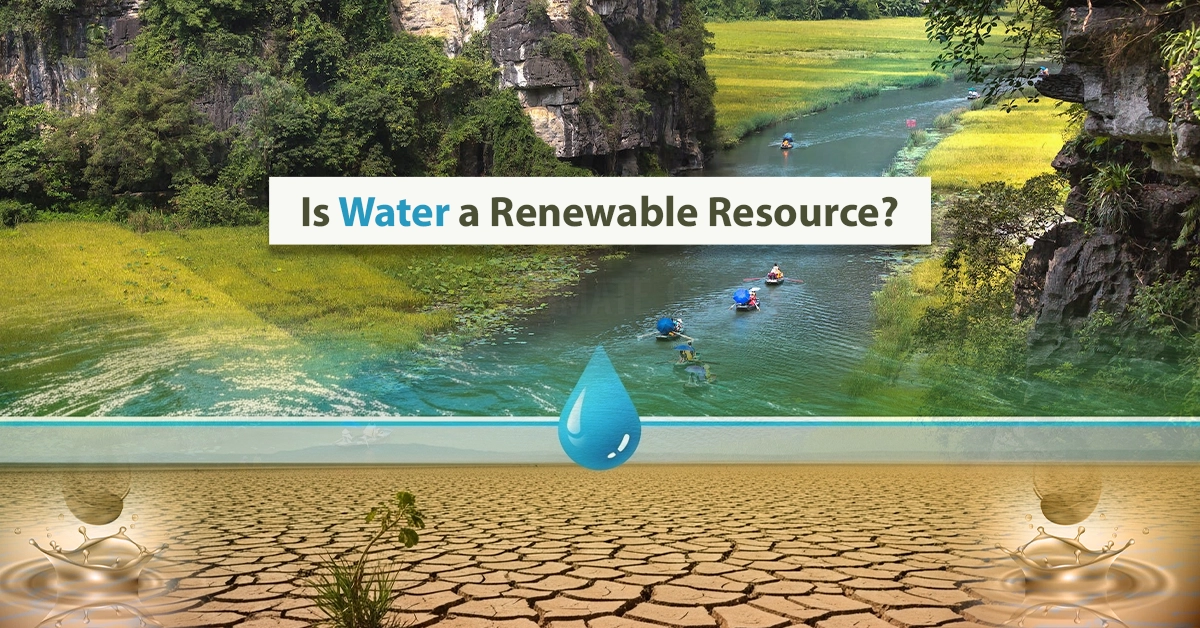
Water is the essence of life. It is important to sustain human life as well as ecosystems, agriculture, and industries. With the rapid changes in climate, the issue of pollution, and the growing population, a question arises: “Is water a renewable resource?”
In this comprehensive blog, we explore how water renews itself with the help of natural processes, the difference between groundwater and surface water, the threats that are making water nonrenewable, and effective management practices.
30-Second Summary
When you hear about declining water levels, you must have wondered, “Is water a renewable resource?” Let’s explore the answer in this blog. You will discover
- Water as a renewable resource
- The hydrological cycle, including evaporation, condensation, precipitation, and runoff
- The difference between freshwater and saltwater
- The difference between surface water and groundwater
- Human activities that play a role in reducing water renewability
- Sustainable water management
- Water as an energy source
Understanding Water as a Renewable Resource
Basically, a renewable resource is infinite. It means that it gets replenished naturally at an equal rate or faster than the rate at which humans consume it.
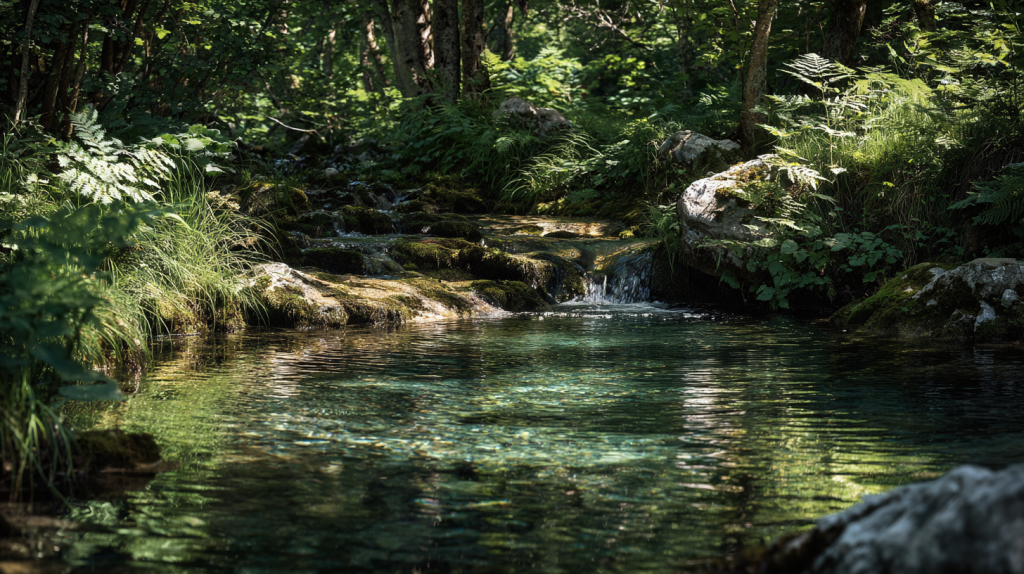
Water is considered one of the renewable resources because it moves continuously through the hydrologic cycle or water cycle. Through the processes involved in this cycle, the water on Earth is constantly recycled.
However, not all water is renewed at the same speed. The surface-level water, like rivers and lakes, gets replenished through rainfall. At the same time, the ground-level water in deep aquifers may take hundreds or even thousands of years to recharge.
This means that while water is inherently renewable, the consumption of humans can make it nonrenewable, particularly in areas facing overextraction and pollution.
The Water Cycle
The water cycle is a natural process that makes water a renewable resource. These are the steps that are involved in this cycle.
- Evaporation: Sunlight heats water in rivers, lakes, and oceans. It results in water vapors that rise into the air.
- Condensation: When the water vapor rises high into the atmosphere, it gets colder. Condensation transforms this vapor into droplets. They can either fall back on the Earth, as in the next step, or stay in the air as clouds or fog.
- Precipitation: The particles of water come down as rain, hail, or sleet. It depends on temperature, as the hardness of the water changes into ice or snow if the temperature gets lower.
- Infiltration and Runoff: Some water infiltrates into the soil and replenishes groundwater, while the rest of it flows back to the rivers and lakes, continuing the cycle.
The hydrological cycle ensures that the water is recycled continuously, as it supports life and ecosystems.
Freshwater vs Saltwater: What We Can Use
We all have heard the statistics that the Earth is covered by 70% of water. It is true, yet the accessibility of water in the majority of the world is misconstrued. This is why we need to understand freshwater vs saltwater resources.
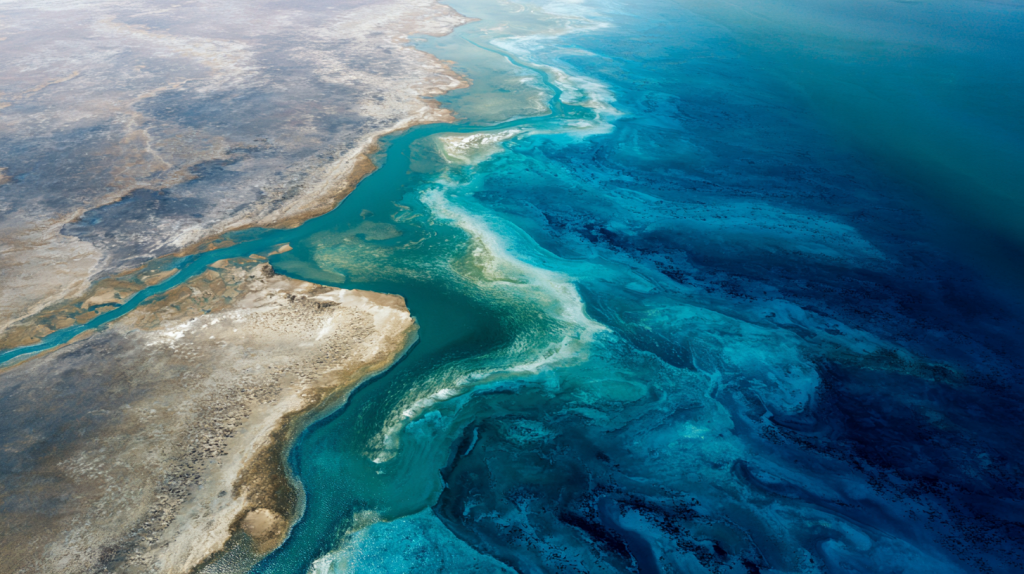
Humans cannot use the entire 70% of water because it also includes ice caps and water resources that need treatment before consumption and industrial use. Only a fraction is suitable for consumption.
- Saltwater: Around 97% of the water present on Earth is ocean water. It is too salty for direct drinking or agricultural uses.
- Freshwater: Only 3% of the water on Earth is fresh. A significant portion of freshwater is locked in glaciers and ice caps.
This limited supply of portable water makes freshwater a precious resource. Different factors, such as pollution, overusage, and climate change, are actively reducing the amount of freshwater, making it a limited resource.
Surface Water vs Groundwater Renewability
Have a look at what surface water and groundwater are.
Surface Water
Surface water includes lakes, rivers, and reservoirs. Surface water renewability depends on rainfall and runoff. However, it is vulnerable to droughts, pollution, and overuse.
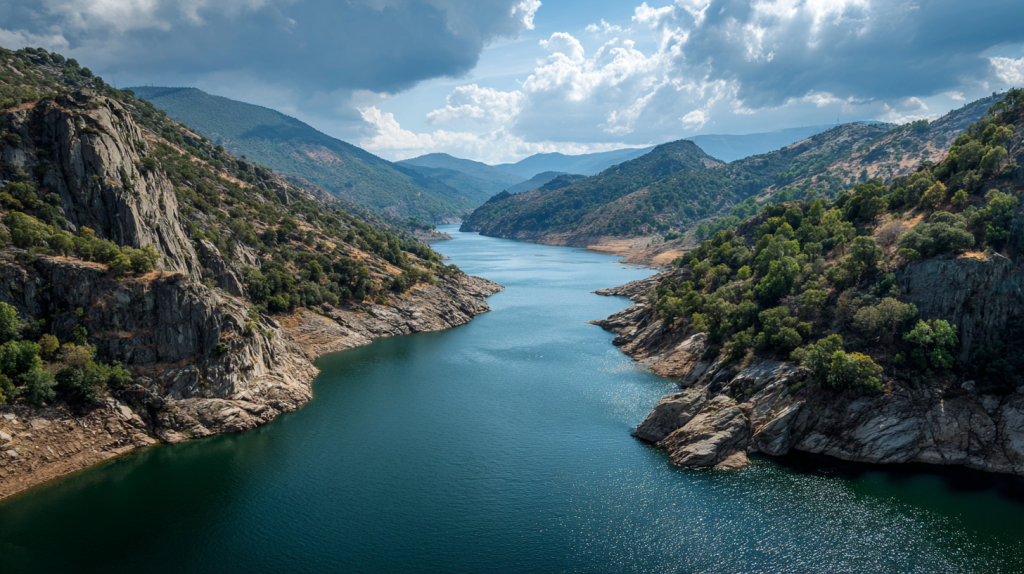
For example, the Colorado River Basin has lost more than 40 trillion liters of water from 2000 to 2021. This amount is roughly equal to the entire storage capacity of Lake Mead, which is the largest reservoir on the Colorado River.
This loss happened due to warming-driven reductions in mountain snowpack and runoff, and makes the river supply unsustainable.
Groundwater
Groundwater is stored in underground aquifers. The groundwater recharge rate depends on rainfall, human use, and soil permeability.
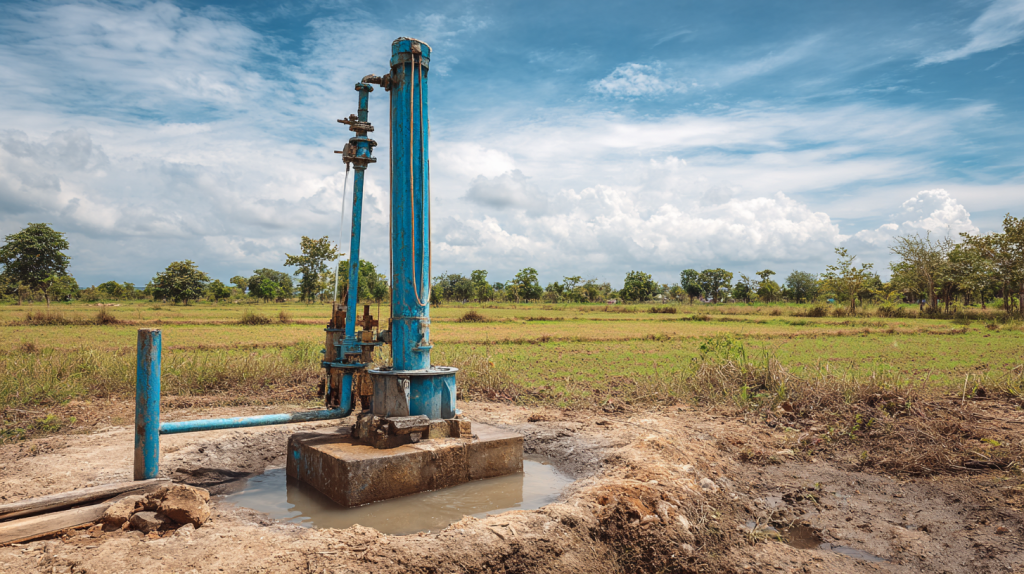
However, aquifer depletion happens when water is extracted much faster than it can be recharged. Fossil water is found in some deep aquifers. But it is classified as nonrenewable as it took thousands of years to accumulate.
Overusing groundwater leads to land subsidence, groundwater overdraft, and long-term water shortages.
Human Activities That Threaten Water Renewability
Water comes under the renewable resources; however, the impact of negative human activities makes it practically nonrenewable.
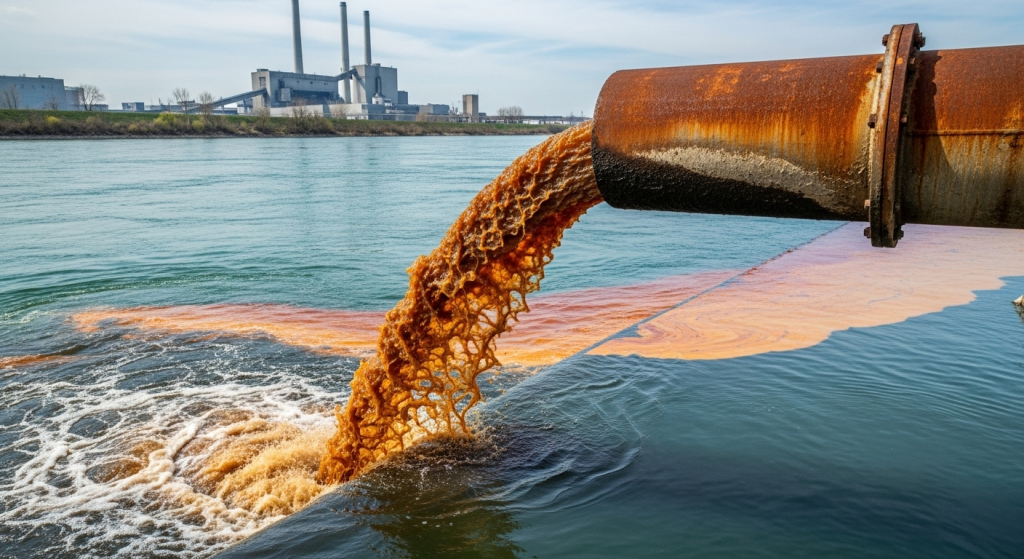
Overuse: Industrial use, excessive irrigation, and more domestic consumption of water exceed natural replenishment rates. The water footprint of industries and populations plays a substantial role in this water scarcity.
Pollution: Different pollutants, such as untreated wastewater, industrial runoff, and chemicals, contaminate water bodies, including lakes, rivers, and aquifers. This reduces the availability of usable freshwater.
Climate Change: The significant change in climate is also causing water resource depletion. Rising temperatures and changing precipitation patterns change the water cycle. It causes droughts, melts glaciers, and reduces freshwater availability.
Sustainable Water Management
Humans can reclaim or recycle water that is treated or has not been treated. Some examples are rain barrels and gray water collection for home uses, such as filling up the sink to do dishes.
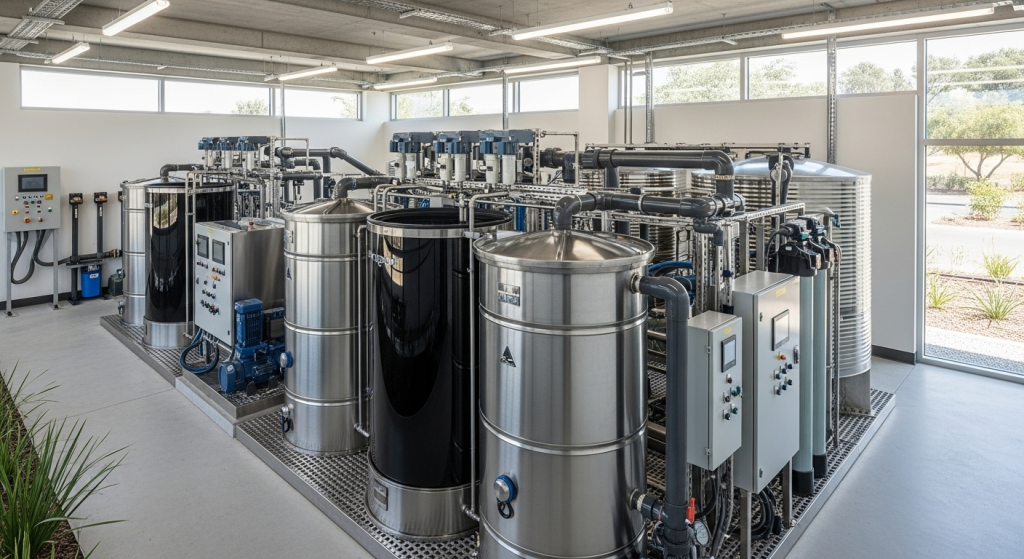
Treated water can be used again and does not need time and effort for retreatment. Water that humans do not reclaim becomes a cause of polluting waterways and wetter habitats.
If the water contains chemicals or fertilizers, it can spread and affect wildlife and their habitats. Facilities for water treatment also need systematic changes that reduce the carbon footprint required to keep the water renewable and clean.
They can research contaminants and incorporate solar energy or other renewable resources for the power needed for treatment processes.
We need behavioral and technological shifts to make a massive contribution to water conservation.
- Avoid running the water when it is not in use, such as when washing your face and brushing your teeth.
- Try to thaw frozen food in the fridge rather than running warm water on it.
- Use sprinkler systems with smart sensors to optimize watering and irrigation systems for gardens.
- Stay updated with local weather events to ensure that you do not end up wasting water or abusing resources during times of water scarcity.
Water as an Energy Source
Hydropower is valuable in the world and is a leading energy source in the United States. It is important globally because it combines wind power to create underwater turbines that rely on tide changes.
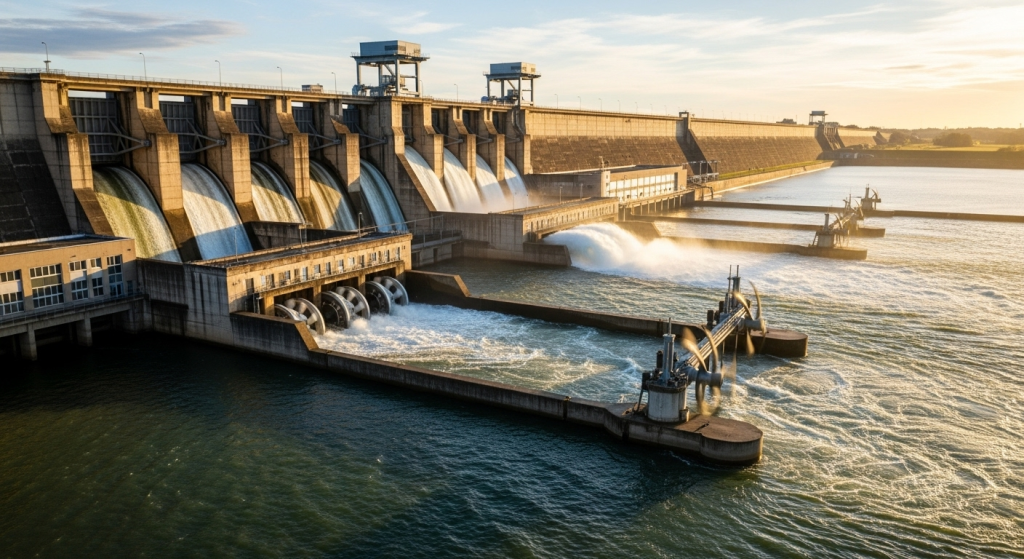
Hydropower has undergone many changes since its initiation. It became more innovative than just classic dams and wheels.
Science is now advancing to safer and more sustainable ways to make water renewable.
Aquaer: This technology focuses on extracting water from the air. It basically centers on the concept of condensation and makes water portable to most areas, even to deserts.
Whisson’s Windmill: This technology is still at the conceptual/ prototype stage. It takes the concept of chilled wind turbine blades placed vertically that force water vapor to turn into liquid. Wind, which is a true renewable energy source, can create water from air infinitely if the wind turbine has the right infrastructure.
Fog-harvesting machines: Mountains or areas with high humidity, such as coastal areas, are perfect for finding fog. Net-like contraptions capture water as the wind blows fog in the right direction.
Water Generators: This technology is about creating machines that can dehumidify, extract, and filter water to make it drinkable.
The Bottom Line
So, is water a renewable resource? It is often considered renewable, but it is not unlimited. As the climate patterns change and the global population grows, the responsibility of conserving water is on us. Protecting it today means that we will have water to sustain life in the future.
Learn more about sustainable energy by visiting Green Energy Insights.
FAQs
What does it mean when Water is considered a Renewable Resource?
Water is considered a renewable resource because it gets naturally recharged through the hydrologic cycle (evaporation, precipitation, condensation, and groundwater recharge). However, human activities like pollution and overuse are making it effectively nonrenewable in practice.
How does Climate Change impact the Water Cycle?
Climate change, such as global warming, is actively altering the water cycle. It impacts precipitation patterns, melting ice caps, and growing drought frequency. This affects both surface water and groundwater, which makes careful management important to maintain freshwater availability.
Why is Fresh Water availability limited when Water is a Renewable Source?
Only 3% of the water available on our planet is considered fresh and drinkable. A significant portion is trapped in ice caps and glaciers. While the water cycle renews water naturally, detrimental human activities, pollution, and overuse reduce the availability of clean water for drinking.
What is the role of the Federal Government in maintaining the Renewable Water Resource?
Federal and local governments have a key role in sustaining water renewability. They regulate water use and allocation, protect watersheds and aquifers, and fund water treatment and conservation projects. Moreover, they ensure the availability of portable water amid growing human populations.
What is the difference between Nonrenewable and Renewable Water Resources?
Renewable water resources get replenished through rainfall and the water cycle, such as rivers, lakes, and shallow aquifers. Nonrenewable water resources include deep fossil water. They take thousands of years to recharge and cannot sustain continuous human extraction.
