

In the past few decades, the shift from fossil fuels to renewable resources has been significant. People, as well as governments, are trying to transition into green energy to reduce their carbon footprint.
But is renewable energy really sustainable? Despite having its advantages, there are many disadvantages of renewable energy that are important to explore.
In this guide, we are doing exactly that. Let’s learn how renewable energy can be detrimental in different aspects.
30-Second Summary
We all know the benefits of renewable energy, but it has its cons as well. Understanding them is necessary to create effective solutions to make renewable energy truly reliable.
In this guide, learn about the disadvantages of renewable energy, including high upfront costs, weather-dependency, storage and geographical limitations, environmental impact, infrastructure expenses, and waste management challenges.
What is Renewable Energy?
You probably know about the concept of renewable energy, but let’s recap a little. Renewable energy is naturally replenished and does not run out. The major resources of this energy are:
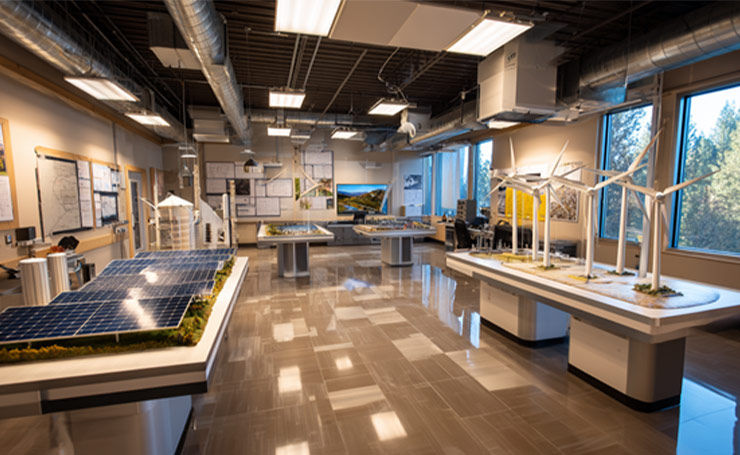
- Solar energy is harnessed using solar panels or photovoltaic cells. They convert sunlight into electricity.
- Wind energy is captured through wind turbines that transform the kinetic energy of the gusts into electricity.
- Hydropower is harnessed using the flowing water of dams or rivers through turbines that are connected to generators.
- Geothermal energy is harnessed using underground wells that tap into Earth’s heat to produce steam, which then spins turbines to generate electricity.
- Biomass is harnessed through burning and converting organic material (dung, trees, plants, etc) into biofuels, heat, and electricity.
These resources are renewable as they never deplete. They also do not produce high levels of carbon emissions like traditional fossil fuels. However, they still have their cons.
Renewable Energy Drawbacks
Despite having minimal to no carbon footprint, renewable energy still has several disadvantages.
High Upfront Costs
The renewable energy comes with a substantial upfront cost, which is the biggest hurdle to widespread adoption. As per an estimate, transitioning to 100% renewable energy by 2025 requires $73 trillion.

Setting up solar panels, hydropower plants, and wind turbine farms requires costly materials, infrastructure development, and specialized installation. The high upfront cost of renewable energy deters people from adopting green energy.
Weather-dependent
Renewable energy sources completely depend on the weather and are unpredictable. The intermittency of solar and wind is a persistent issue when it comes to adopting clean energy. Solar panels rely on sunlight and do not produce enough power on cloudy days.
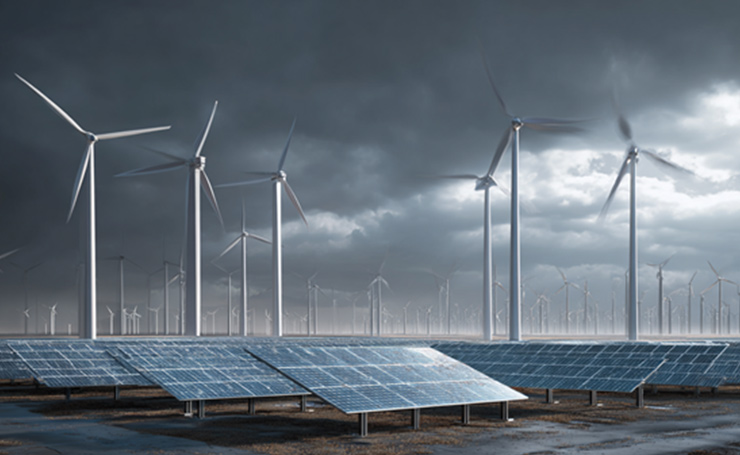
Wind turbines stay idle when the air is still. This variability means that power will fluctuate and lead to unfortunate shortages in unfavorable weather conditions.
Storage Limitations
As renewable power is not steady, storing excess electricity is necessary in times of shortages. However, current battery storage technology is extremely expensive and limited.
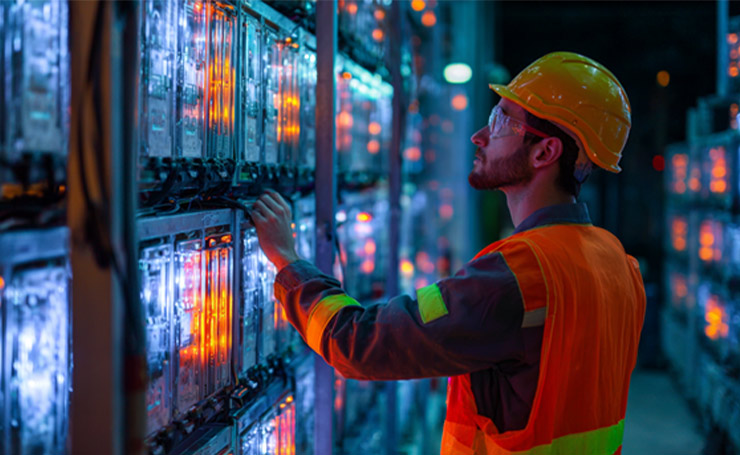
The renewable energy storage limitations need efficient solutions; otherwise, the surplus energy goes to waste, which makes it challenging to keep a stable power supply all the time.
Large Space Requirement
Renewable energy needs vast tracts of land, creating renewable energy land use issues. While fossil fuel plants produce a high amount of energy in a compact area, renewable energy sources require extensive space.
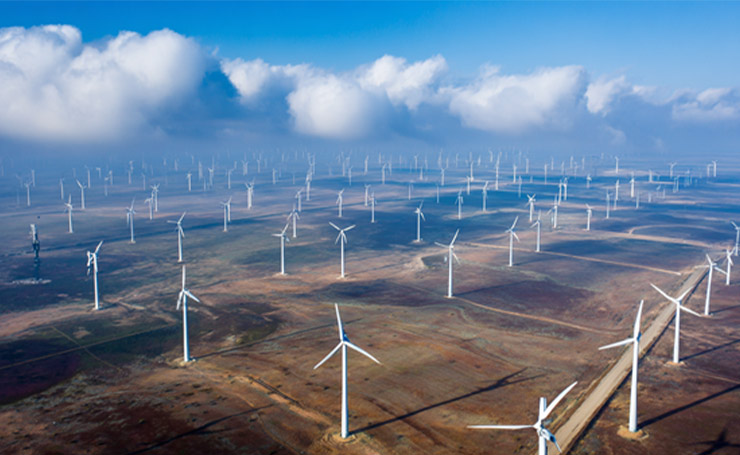
Solar farms need a large chunk of land to capture maximum sunlight, and wind turbines need to be spread out to avoid interference. The hydropower dams impact local ecosystems by altering large water bodies.
Geographical Limitations
Renewable energy geographic limitations restrict where clean energy technologies can be deployed. Some areas have high sunlight exposure, which is ideal for solar panel installation. But it leaves less sunny regions at a disadvantage.

Similarly, wind turbines also need consistent and strong gusts of wind, which are not present in all areas. The physical geography of an area also limits renewable energy installations.
Protected lands, mountainous areas, and densely populated regions face challenges when it comes to installing large solar or wind farms. These geographical challenges increase the overall cost of energy transition and infrastructure needs.
Power Quality Issues
Solar and wind energy fluctuate a lot, which causes power quality issues. This also creates renewable energy reliability challenges.
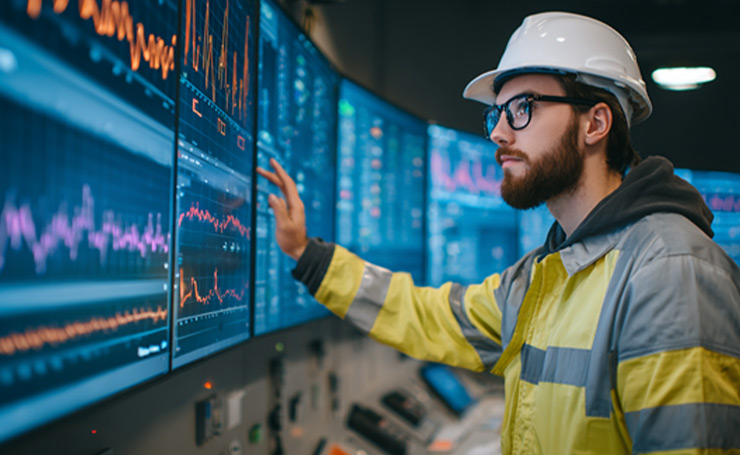
These fluctuations keep the voltage unstable and unpredictable and also cause increased harmonic distortion, which can damage sensitive electrical appliances.
High Cost of Infrastructure
The existing electricity grids are designed for the power generated by fossil fuels. They are not compatible with integrating large-scale clean energy sources, which causes instability and balance issues.
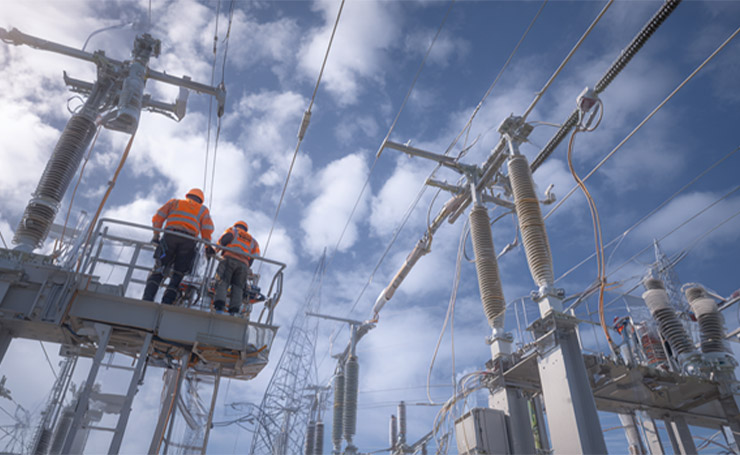
Upgrading infrastructure that can manage decentralized energy sources is expensive and complex. The renewable energy infrastructure cost requires significant investment from the government and utility companies.
Environmental Downsides
Despite the popular belief, there are some renewable energy environmental downsides. Large-scale projects disrupt the natural habitats of animals and birds.

Wind turbine farms can be dangerous to bats and birds. Solar farms lead to land degradation, while hydroelectric dams can be harmful to marine life. Careful environmental assessment and proper planning are crucial to find eco-friendly solutions.
Less Efficient Energy Production
Fossil fuels create a high level of energy even if they are in small quantities. This is the opposite for renewable resources, as they produce lower energy densities. For instance, a coal power plant is capable of generating high amounts of energy.
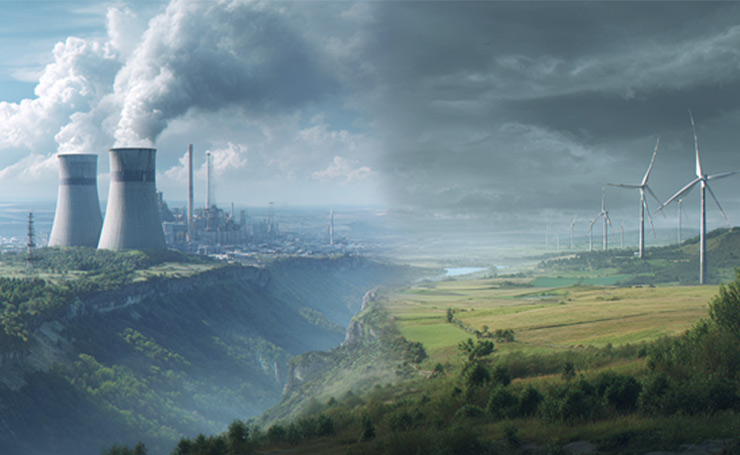
In contrast, wind turbines and solar panels have lower conversion efficiency and depend on favorable weather conditions to provide ideal results.
Equipment Damage
As discussed above, renewable energy produces an inconsistent power supply. This imbalance can cause equipment damage and malfunction, which can be a financial strain for utilities and consumers.

Waste Management Issues
Renewable energy equipment has a longer lifespan but needs replacement or disposal at one point. Turbine blades, storage battery units, and solar panels have materials that are hard to dispose of.

Without proper recycling and disposal programs, these components can create waste problems similar to those of traditional energy systems.
Maintenance Challenges
While renewable systems seem low-maintenance, they pose long-term maintenance challenges for renewable energy. Solar panels need to be cleaned often for better performance.
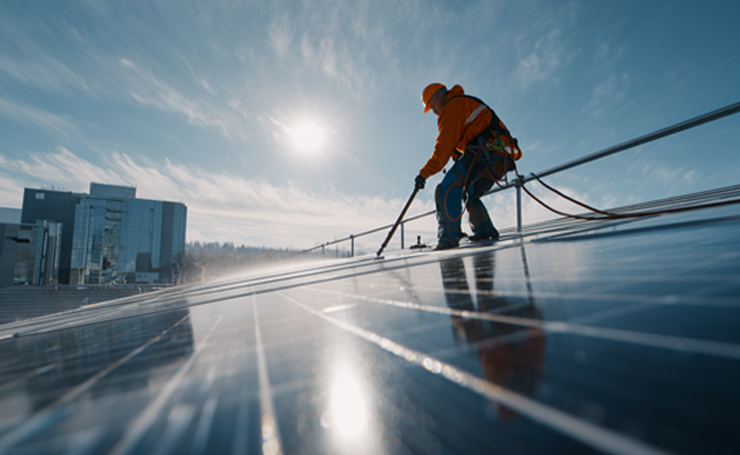
Wind turbines experience mechanical degradation, and offshore systems are difficult to service due to harsh weather. These factors also cause reliability issues, as damage or downtime disturbs energy production.
The cost of maintenance also adds up to the total lifetime expenses, reducing the cost advantage that renewable systems offer over time.
Balancing Drawbacks with Sustainability
Despite these renewable energy problems, it is important to remember that this energy is absolutely crucial to fighting climate change and reducing reliance on fossil fuels. Innovations are steadily addressing these drawbacks.
- The focus is on improving battery technology to reduce storage limitations.
- Hybrid systems combine both renewable and traditional energy to balance intermittency.
- Smart grids and AI-powered forecasting are decreasing grid integration issues and improving energy reliability.
The goal is not to diminish the importance of renewable energy but to overcome these challenges to make it truly sustainable for the future.
The Bottom Line
The world needs to adopt clean energy. While there are disadvantages to renewable energy sources, the advantages clearly outweigh them. With advanced technology and smart policies, we can create renewable energy solutions that are efficient and reliable.
Want to learn more about sustainable energy? Feel free to visit Green Energy Insights.
FAQs
What are the Disadvantages of Renewable Energy?
The main downsides of renewable energy sources are high upfront costs, infrastructure expenses, large land use, inconsistent energy production, and limited storage capacity.
What is the Impact of Storage Limitations on Renewable Energy Sustainability?
Renewable energy storage limitations make it difficult to store extra power that can be used during a low-production period. Without effective storage, the power becomes inconsistent and affects sustainability and grid efficiency.
Are Renewable Energy Challenges Solvable?
Yes, most renewable energy drawbacks are solvable with reliable technology innovation. With effective battery technology, grid systems, and forecasting improvement, these issues will diminish over time.
